P R O J E C T
Infrastructure of Care: Timeless Regeneration
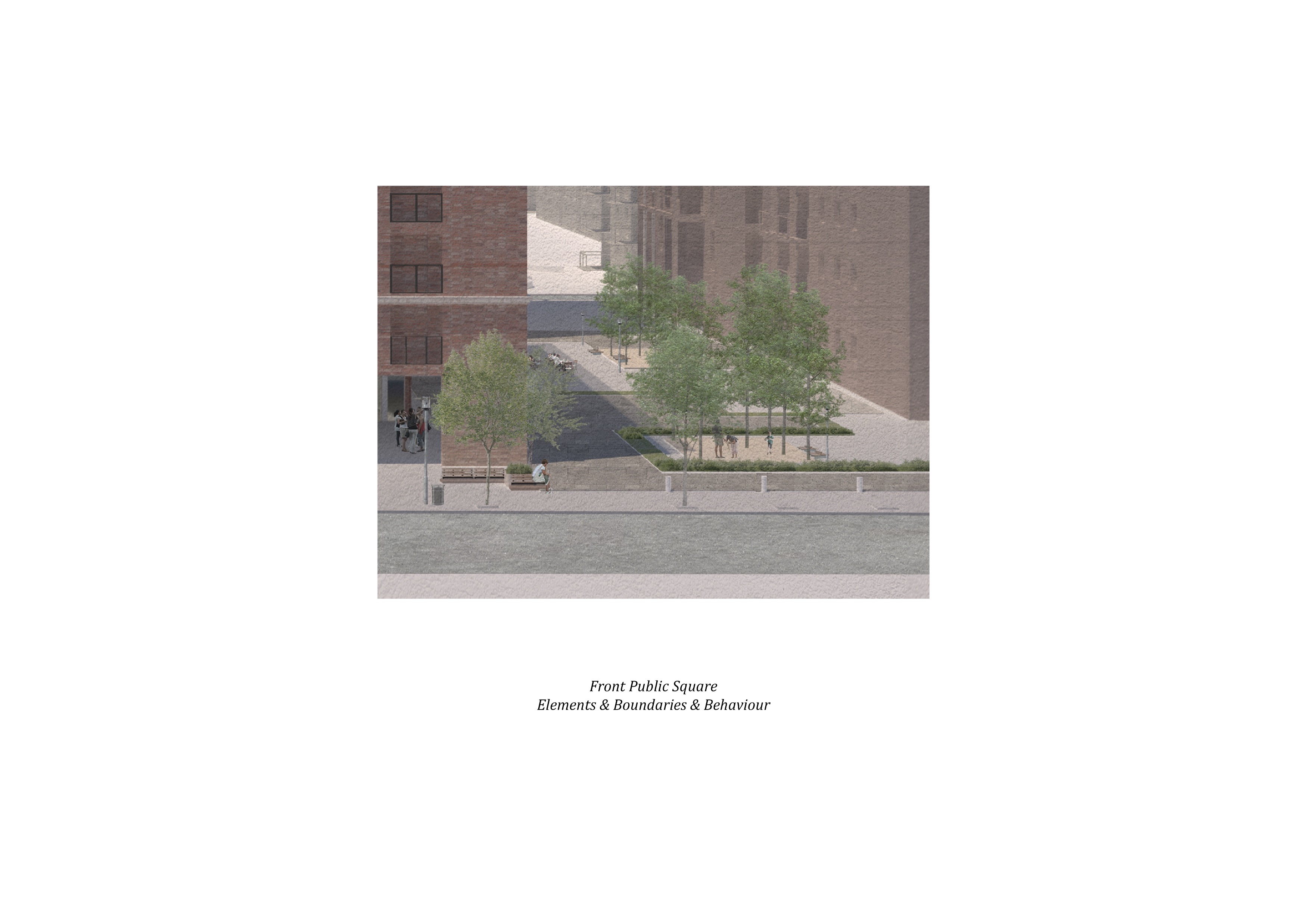
Boleyn Square _ An adaptable area for multiple communities as a space to gather, rest and linger that enables and supports participation among multiple communities
How can a historical local block survive under consumerism? How does regeneration satisfy real-world commercial requirements, benefit the local people, and simultaneously respect local culture?
The observation traces the changes in Newham, a borough in East London, exploring the gaps behind the development appearing with time and space.
Beginning in October 2021, the project combines fieldwork, photography, film, documentation, spatial analysis and other recordings to form an archive. The composition of research across politics, socioeconomics and urban theories leads to the progress of interventions on site.
#0 Setting
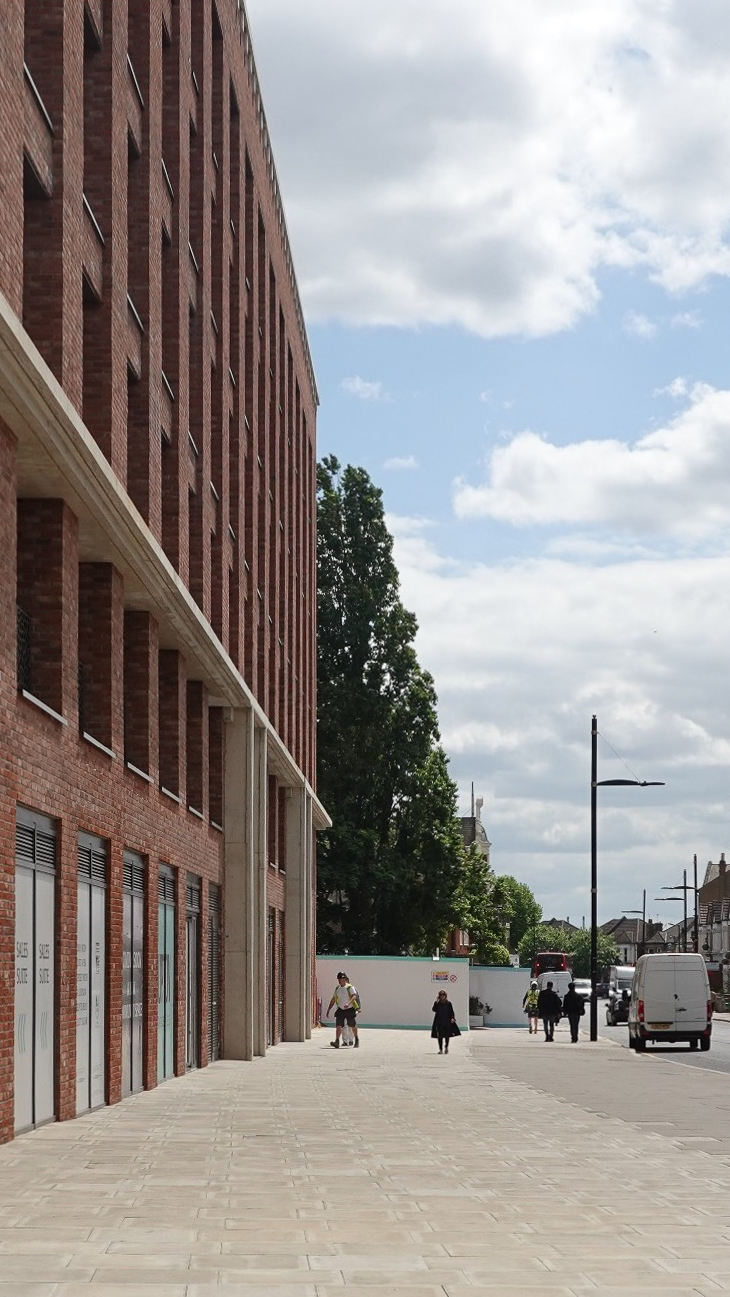
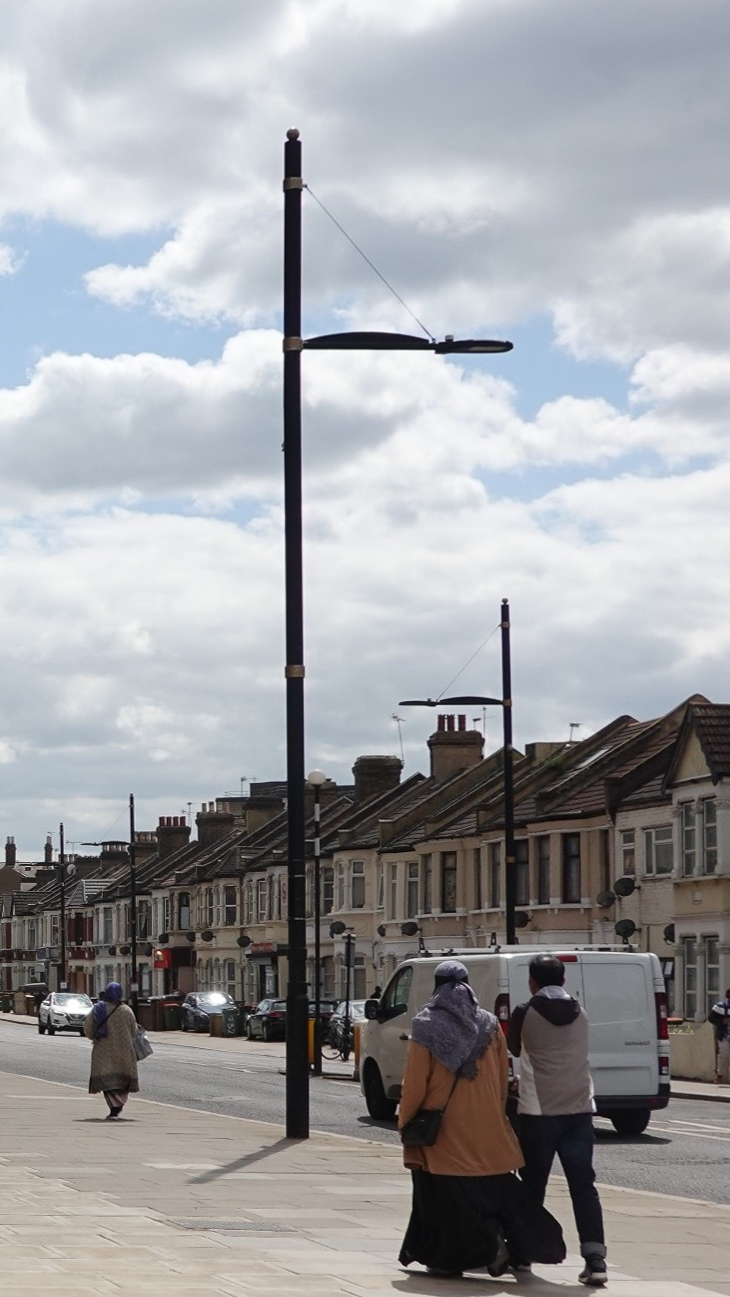
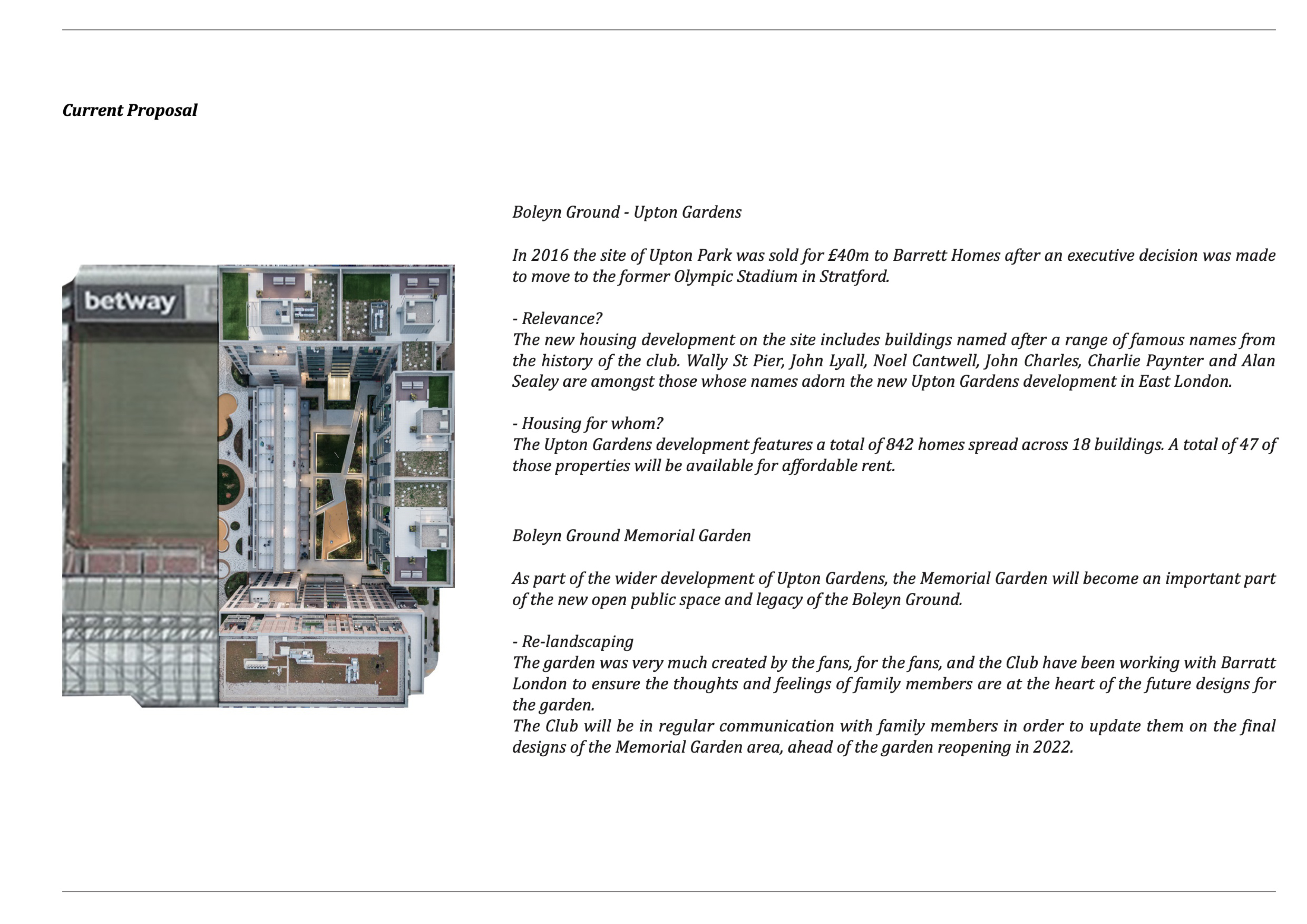
The site is at the Upton Park residential complex on Green Street, which was the home of West Ham United from 1904 to 2016 before the demolition of Boleyn Ground. Instead of a gathering space, the centrepiece of the high street, it has been regenerated into a well-facilitated private area.

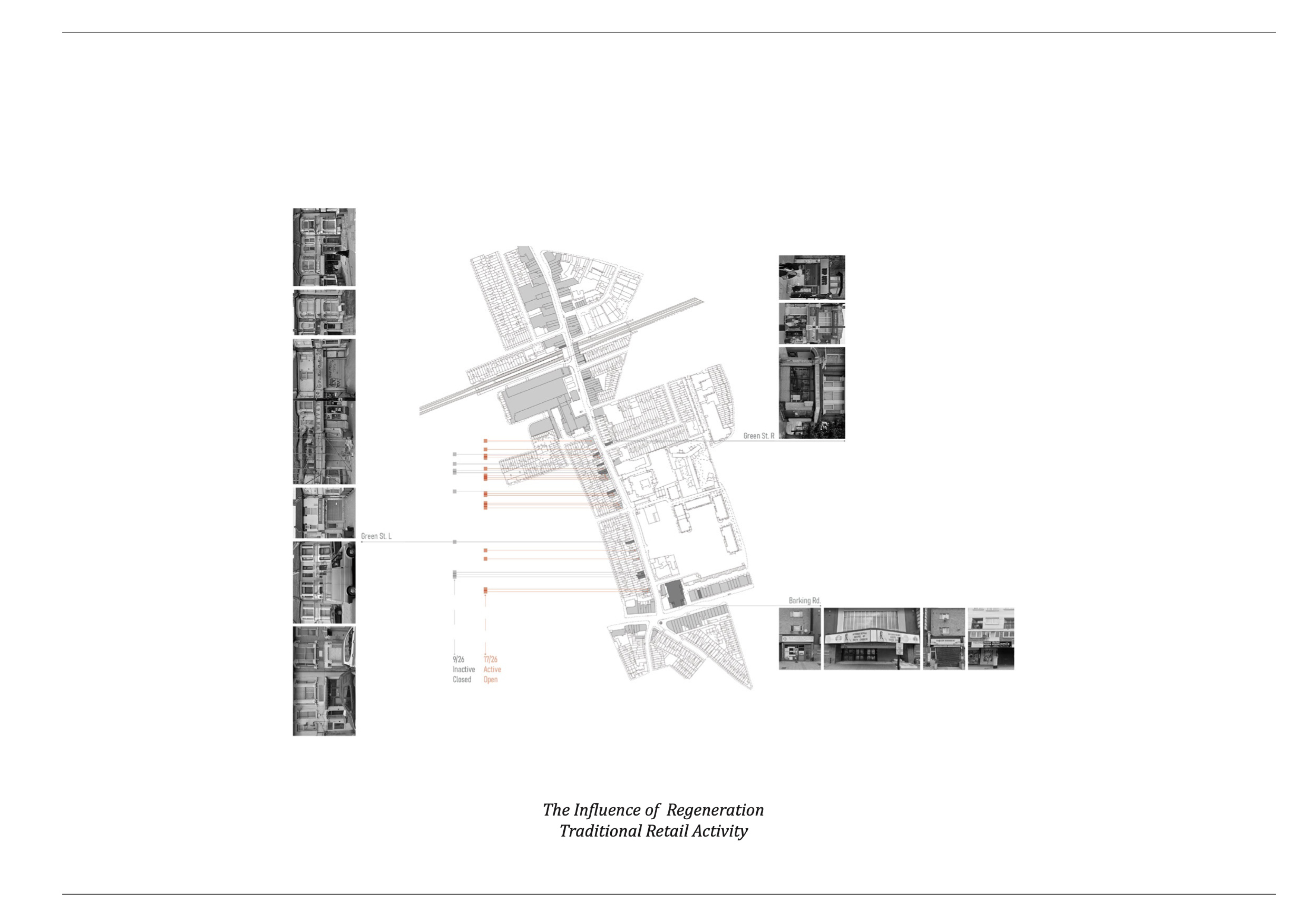
However, at the beginning of regeneration, it still keeps heritages and lively traditional places, including the high street and market, with rich history, various communities and a great stream of people.
#1 What is?
_ Design diary
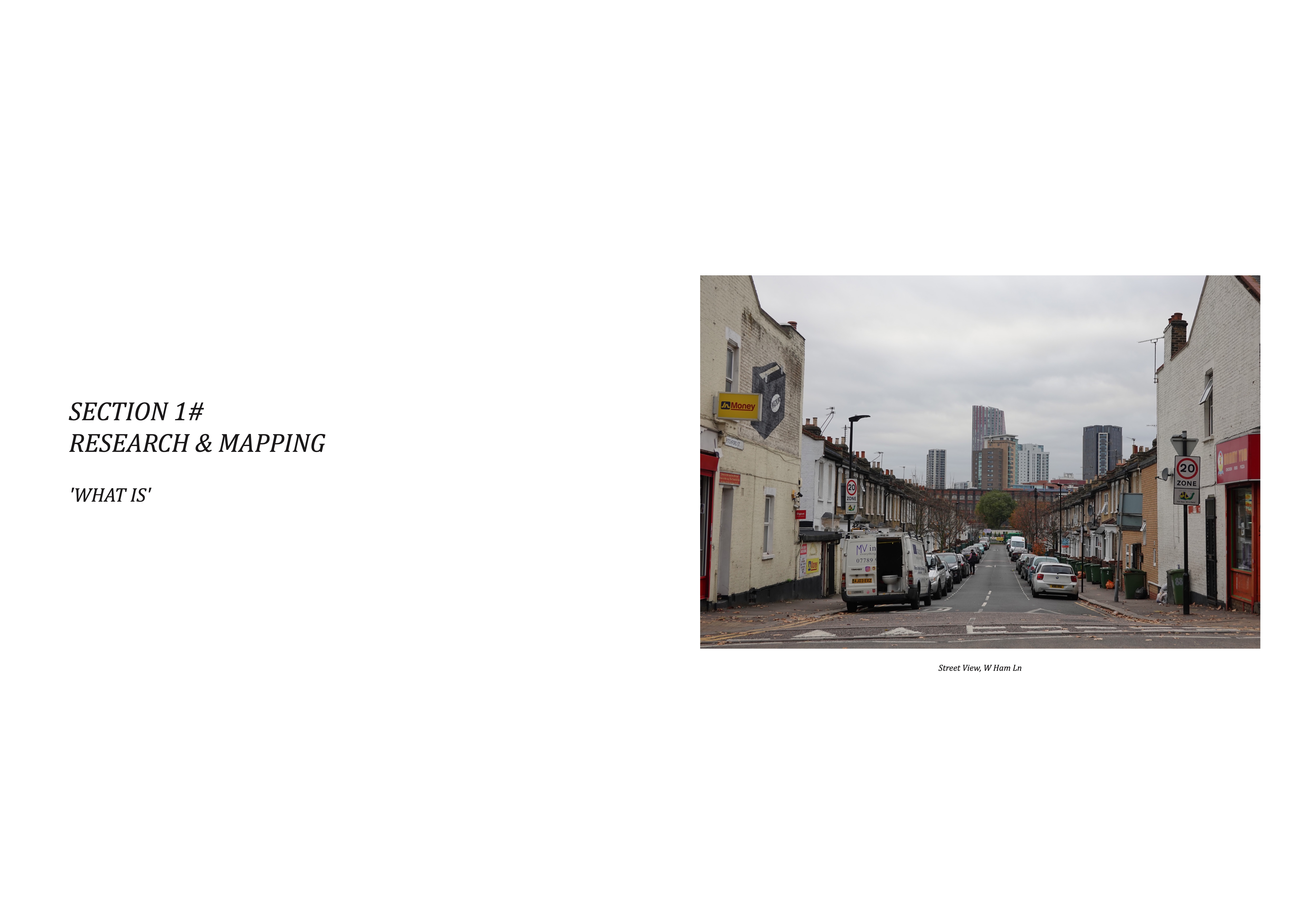
The observation looked over the whole borough to understand the reasons behind the changes, combining fieldwork, photography, film, documentation, spatial analysis and other recordings to form an archive.


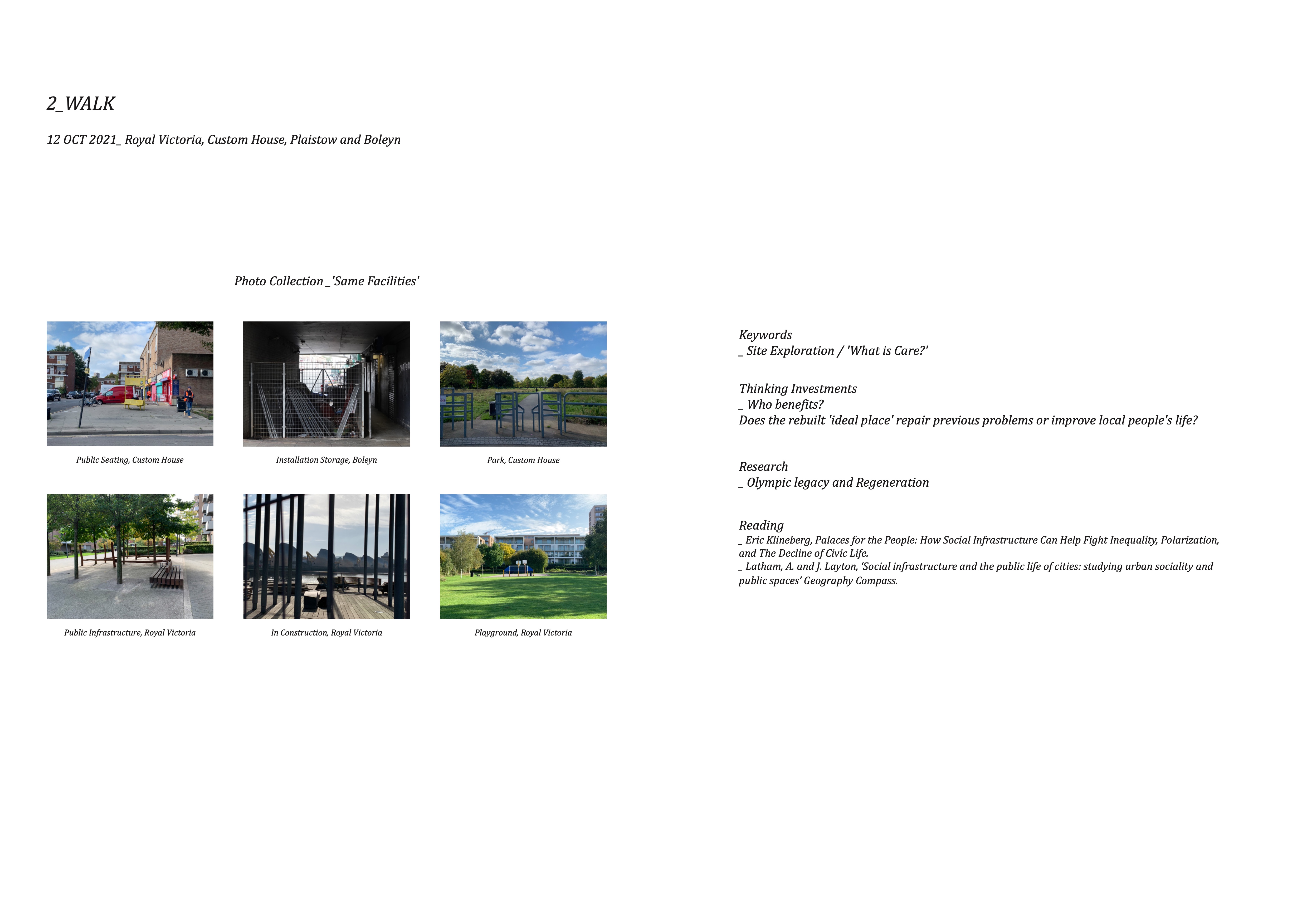
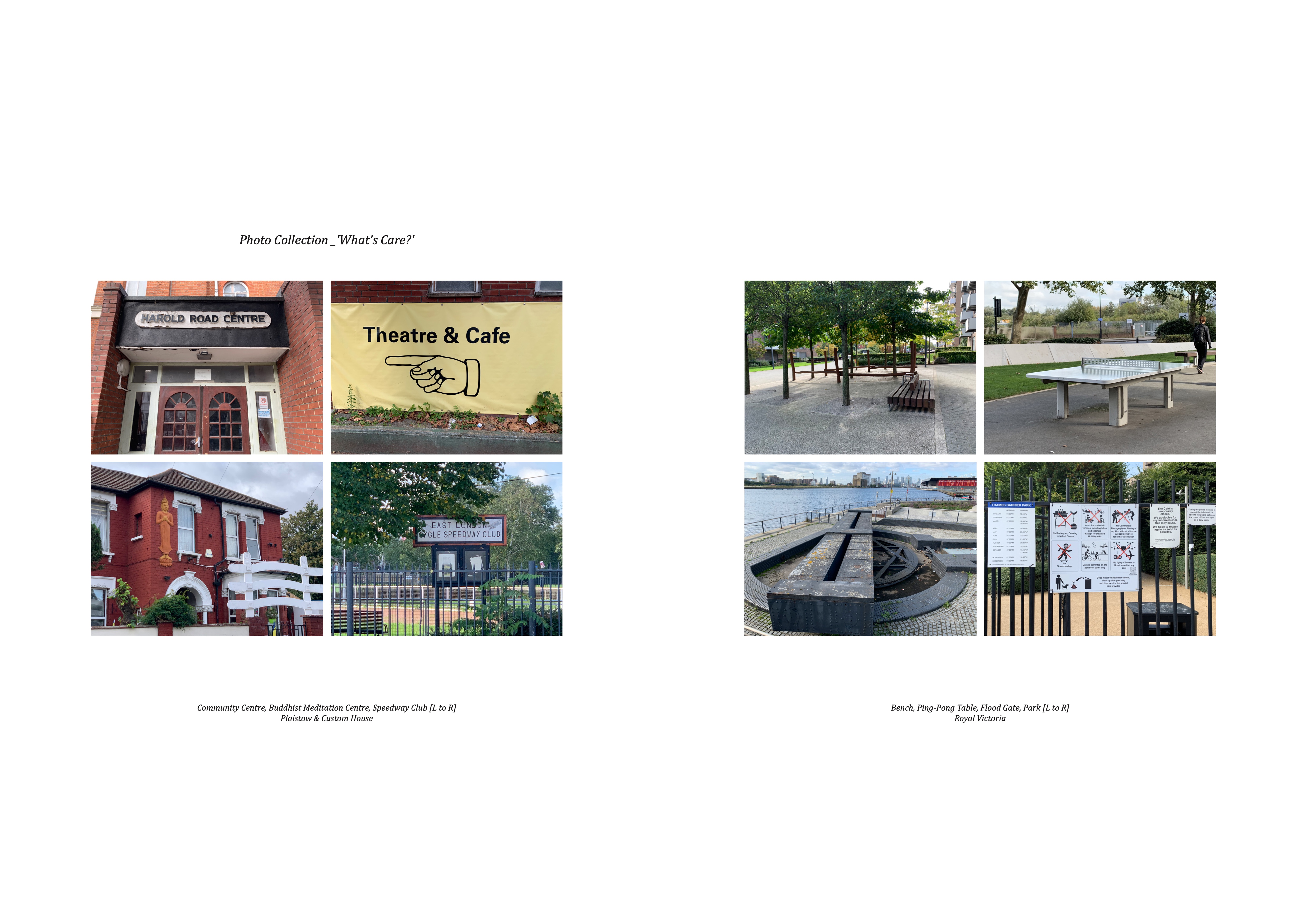

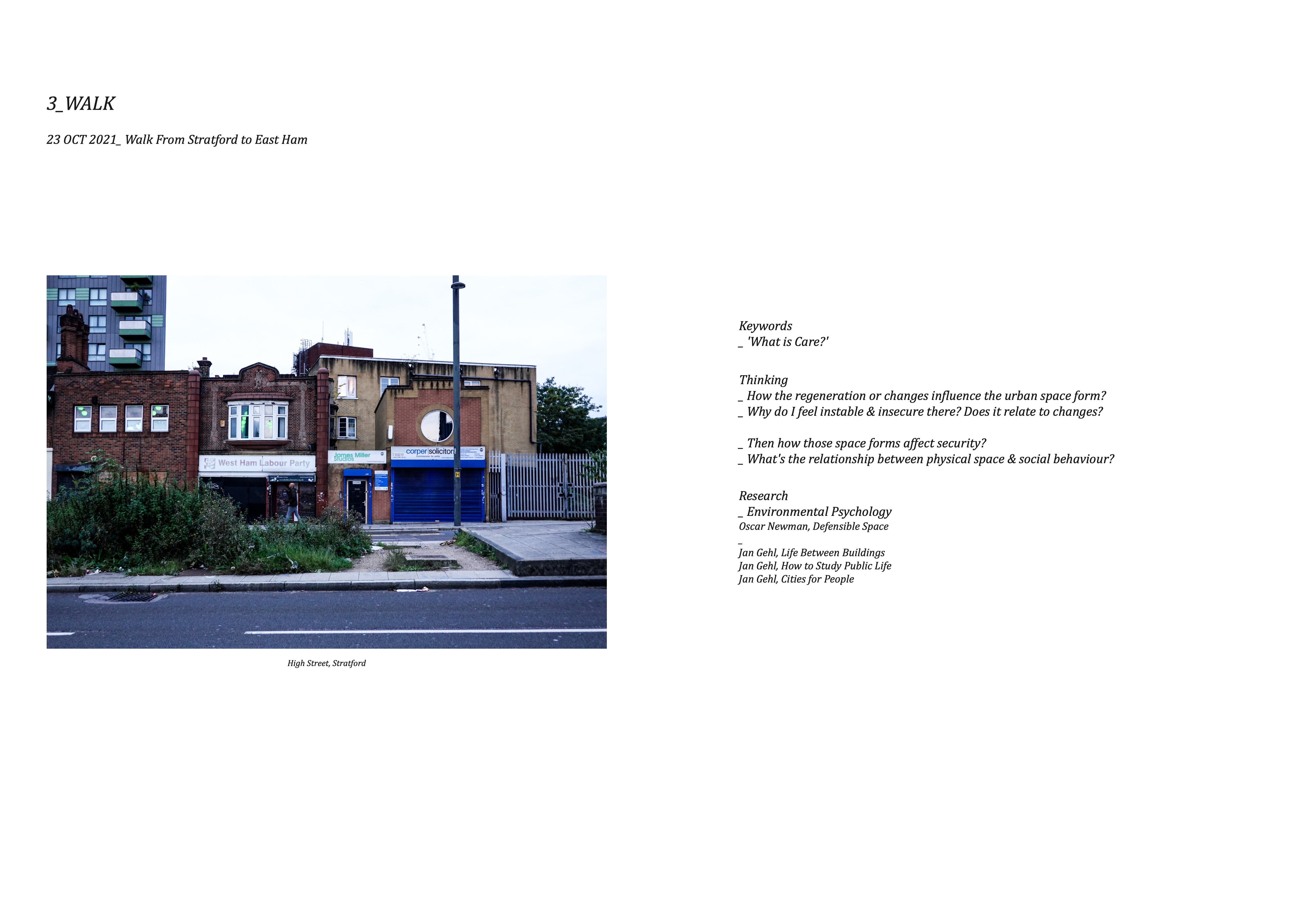
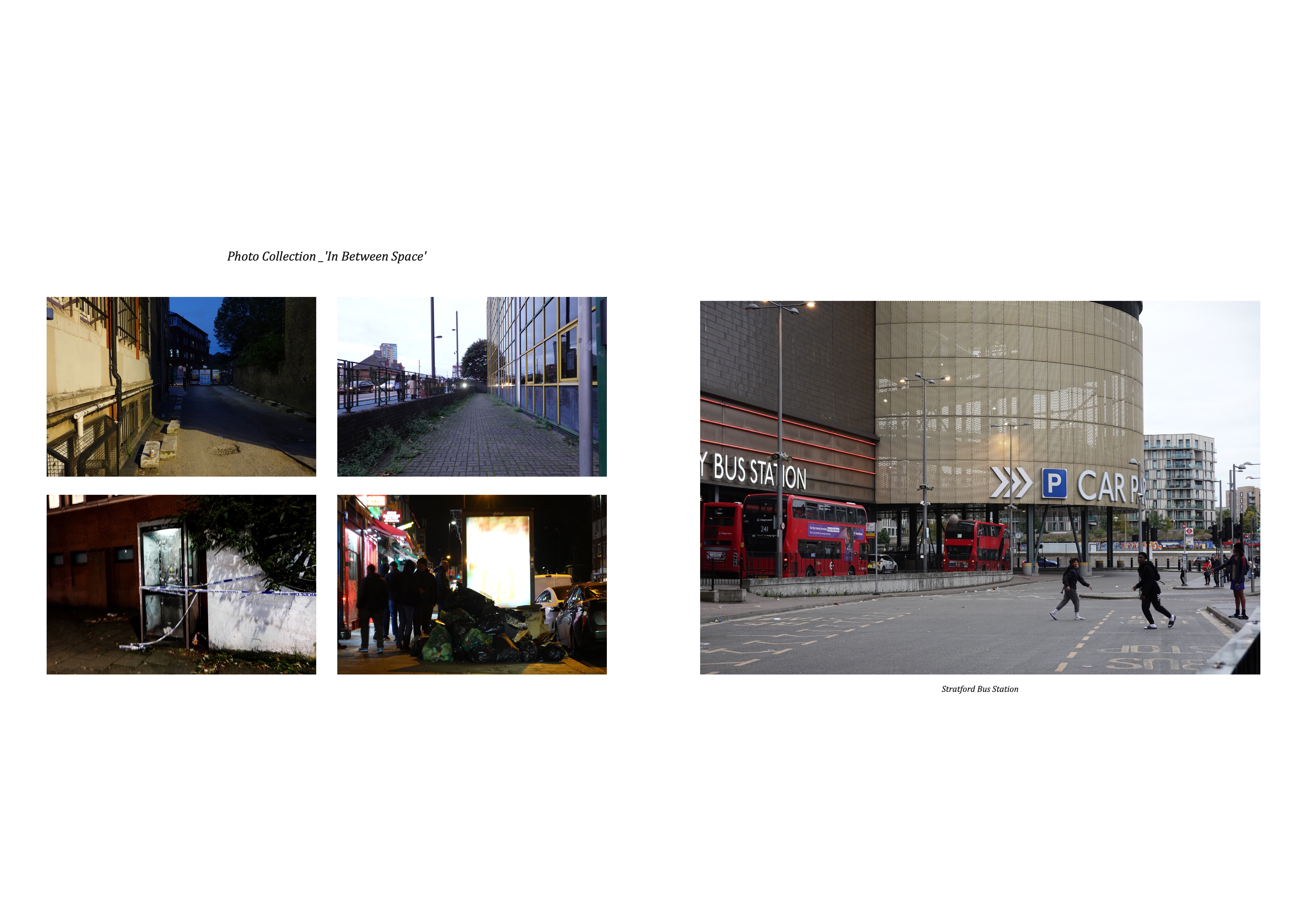
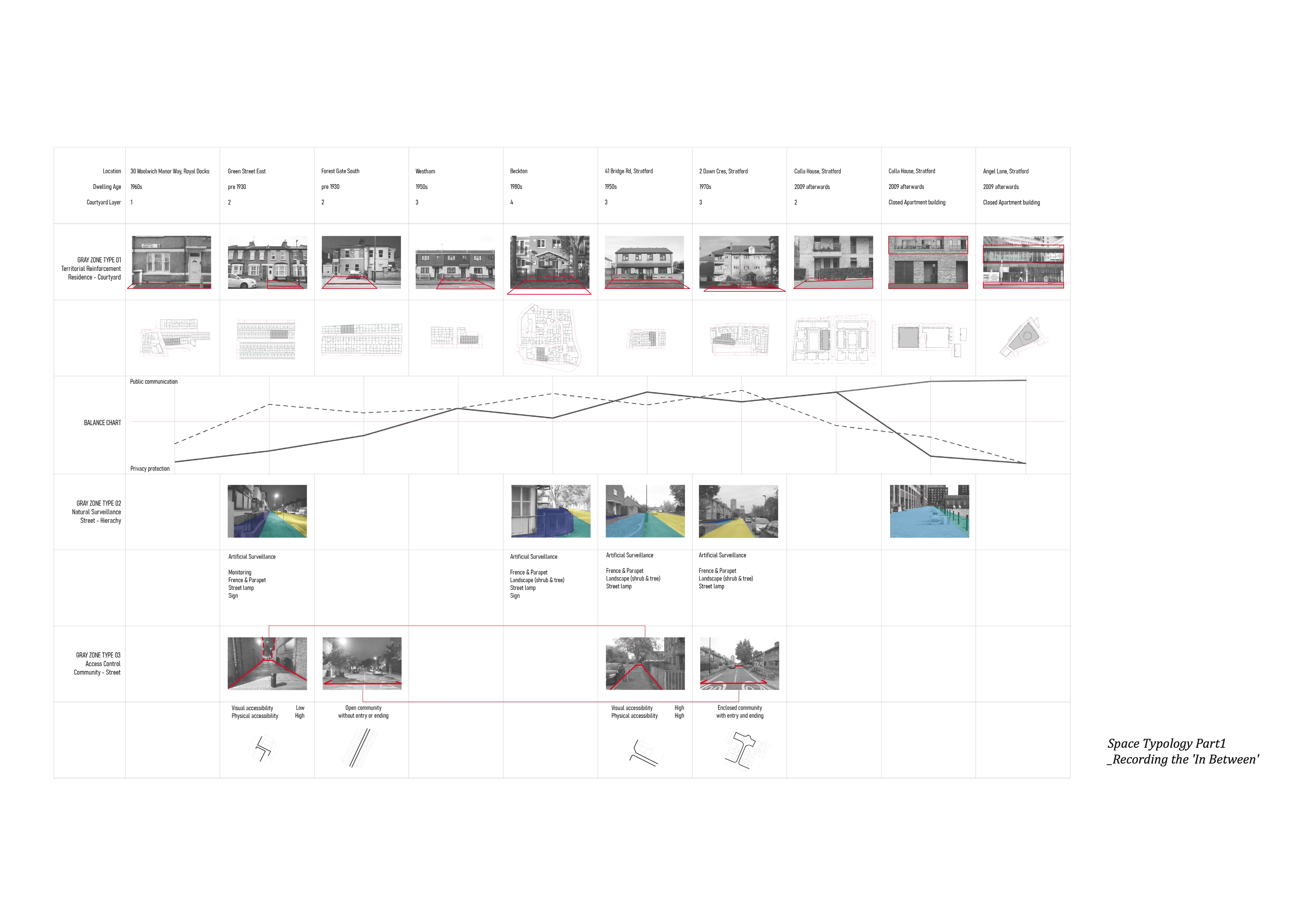
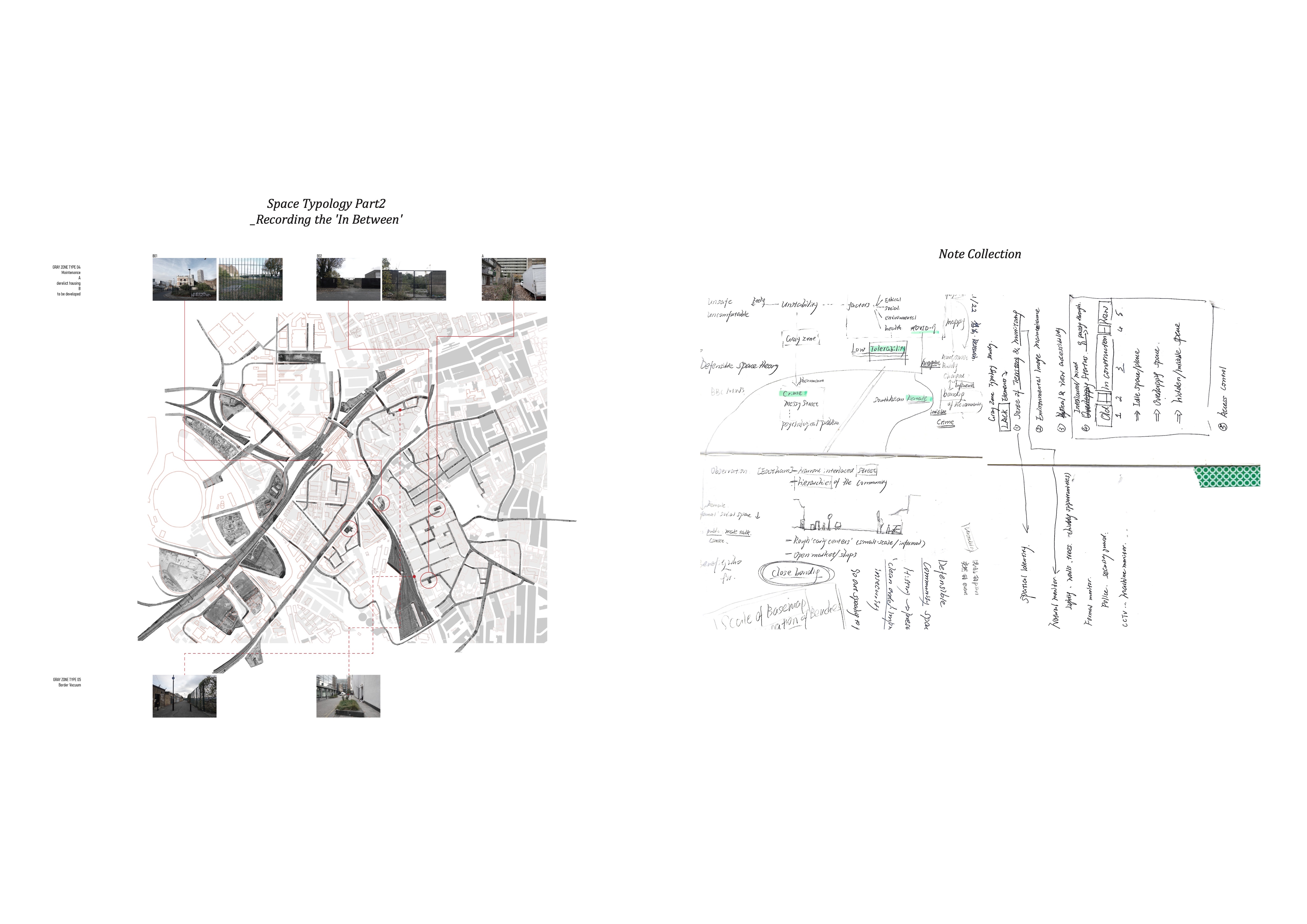


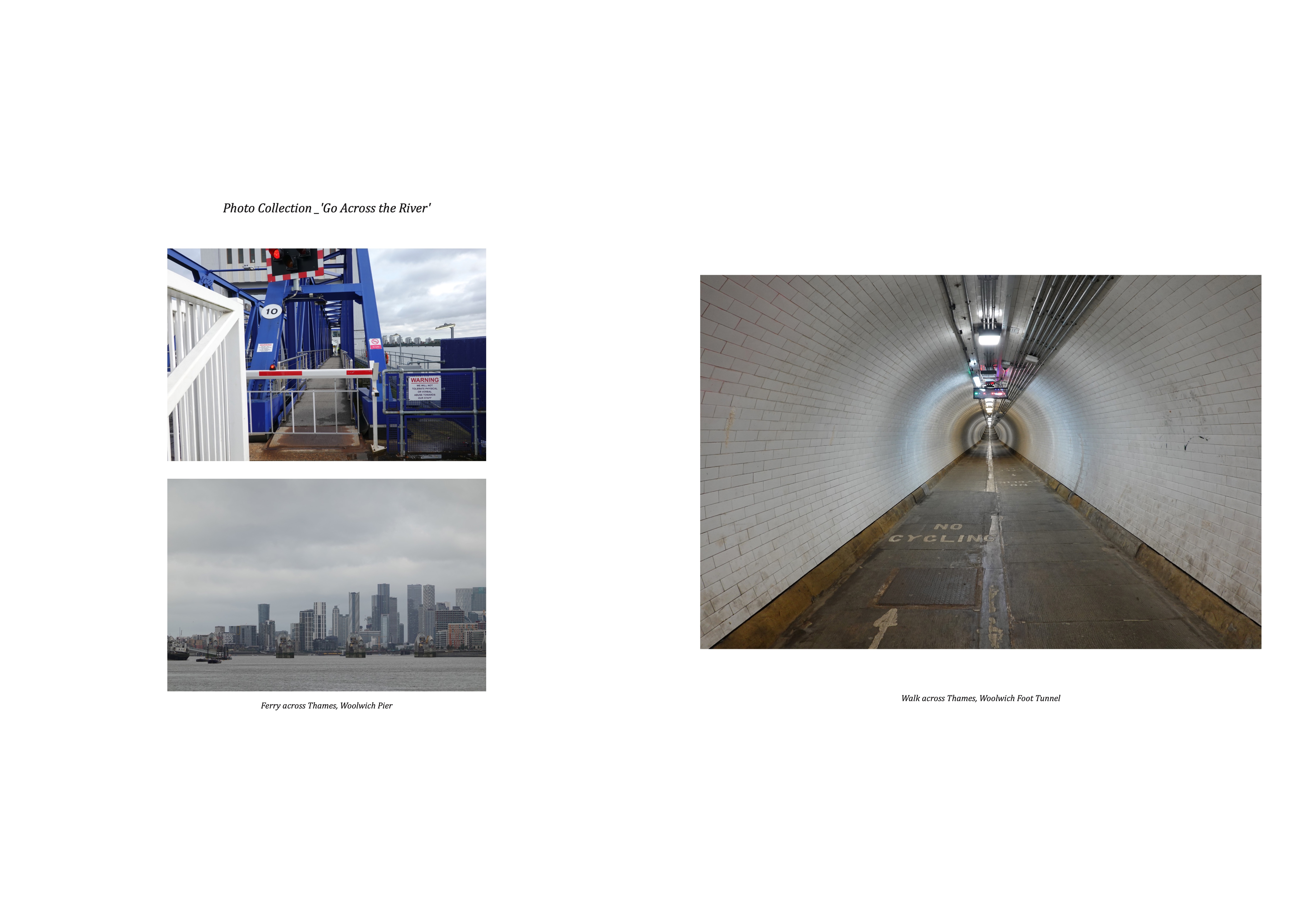
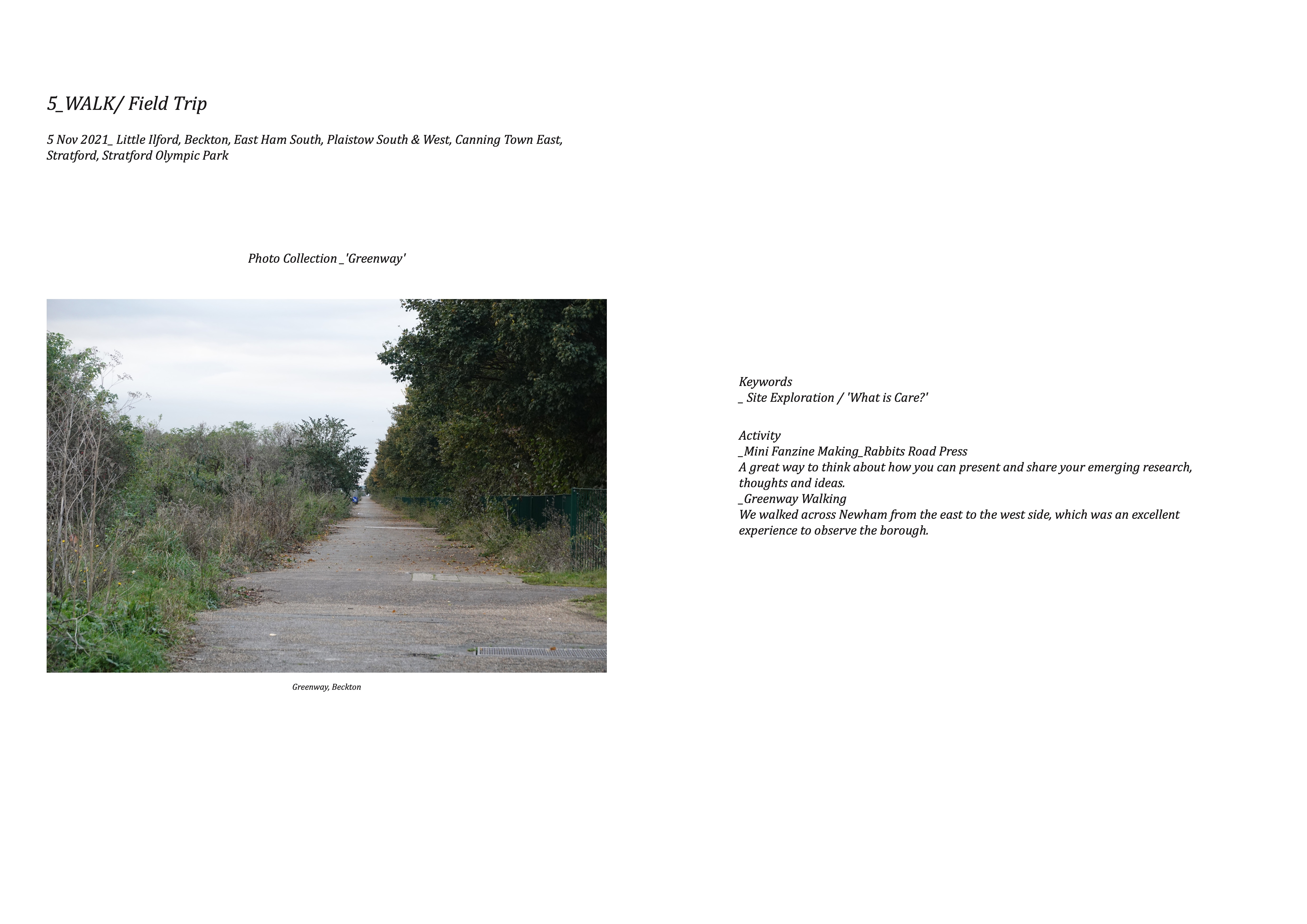
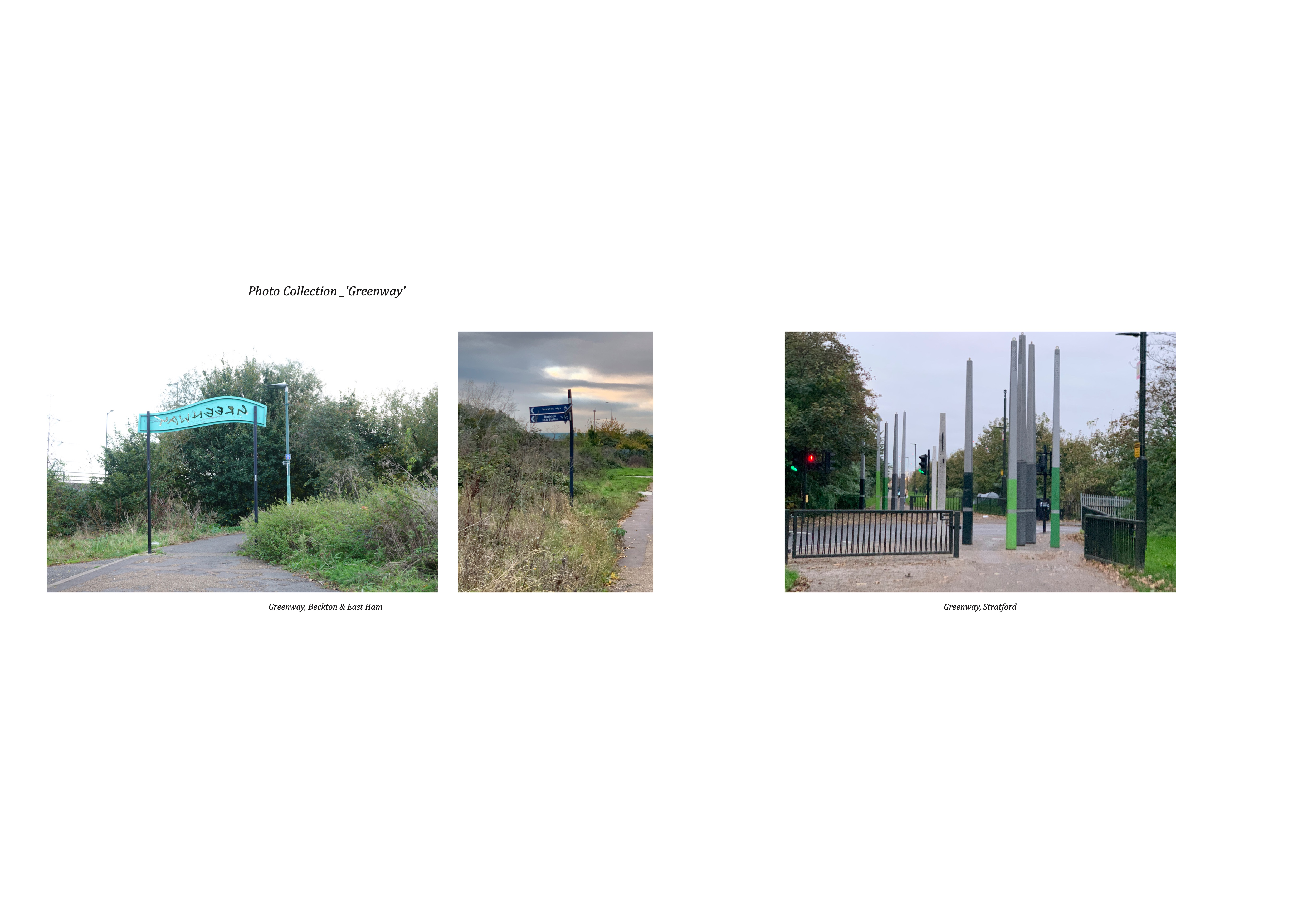
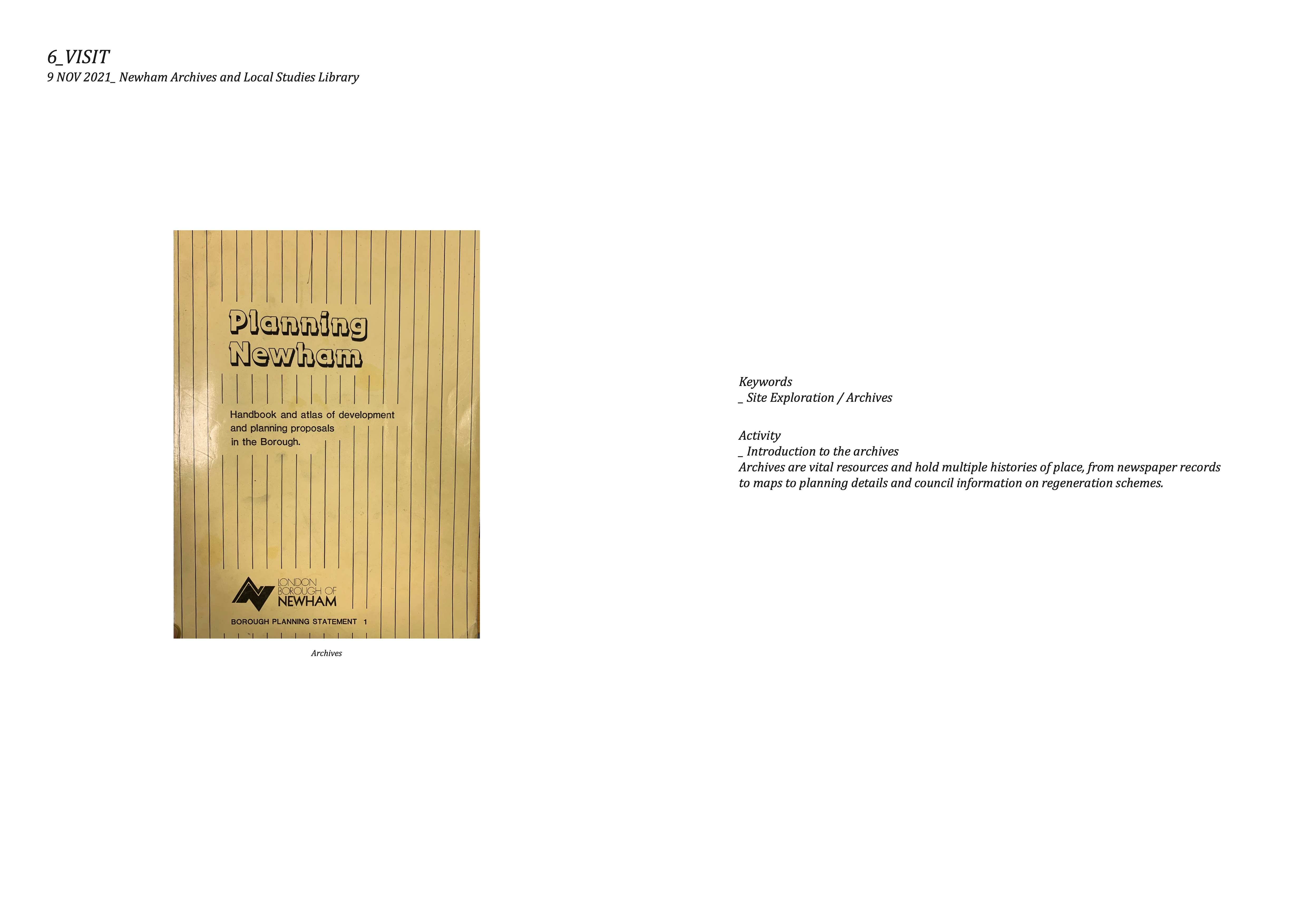

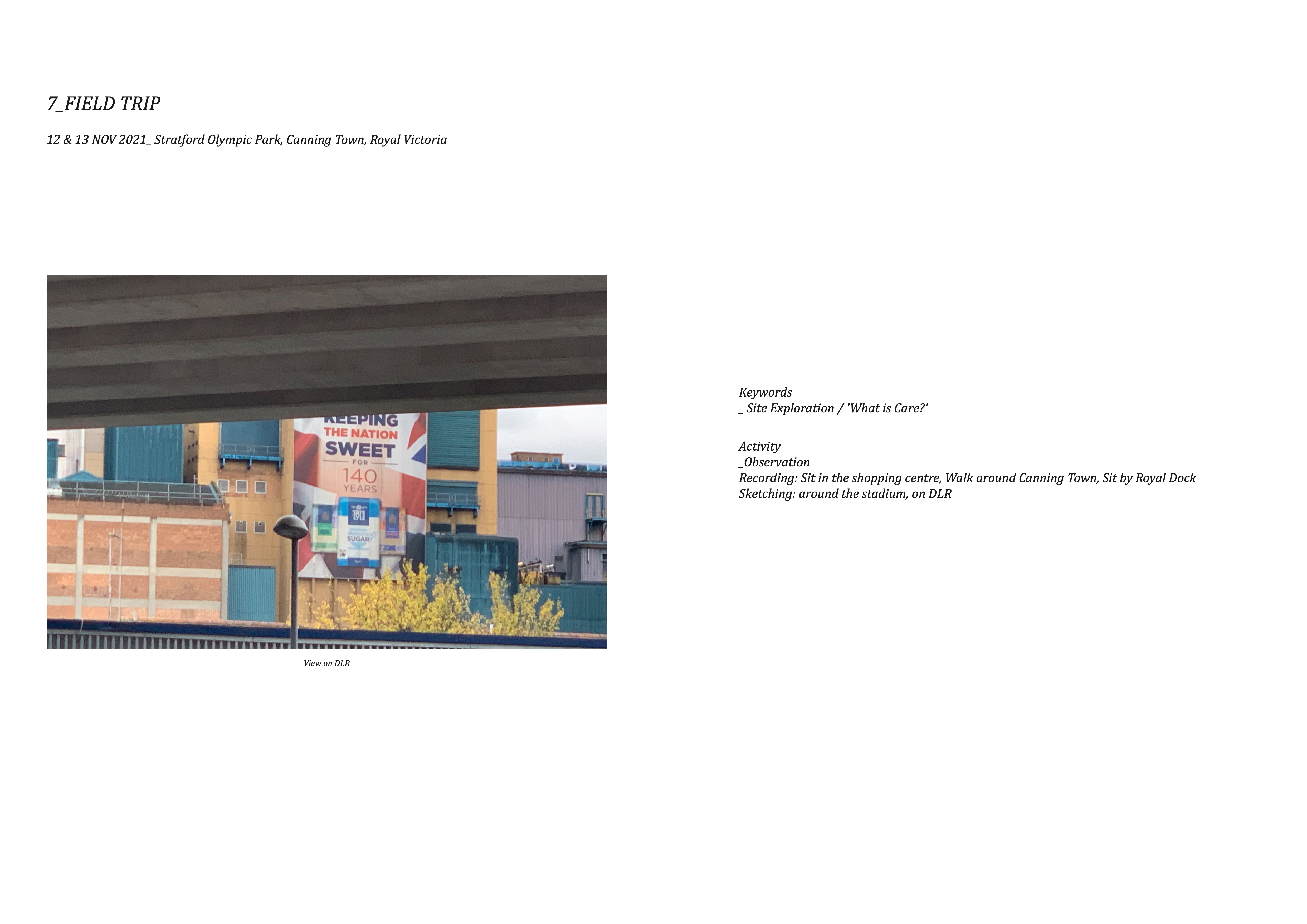

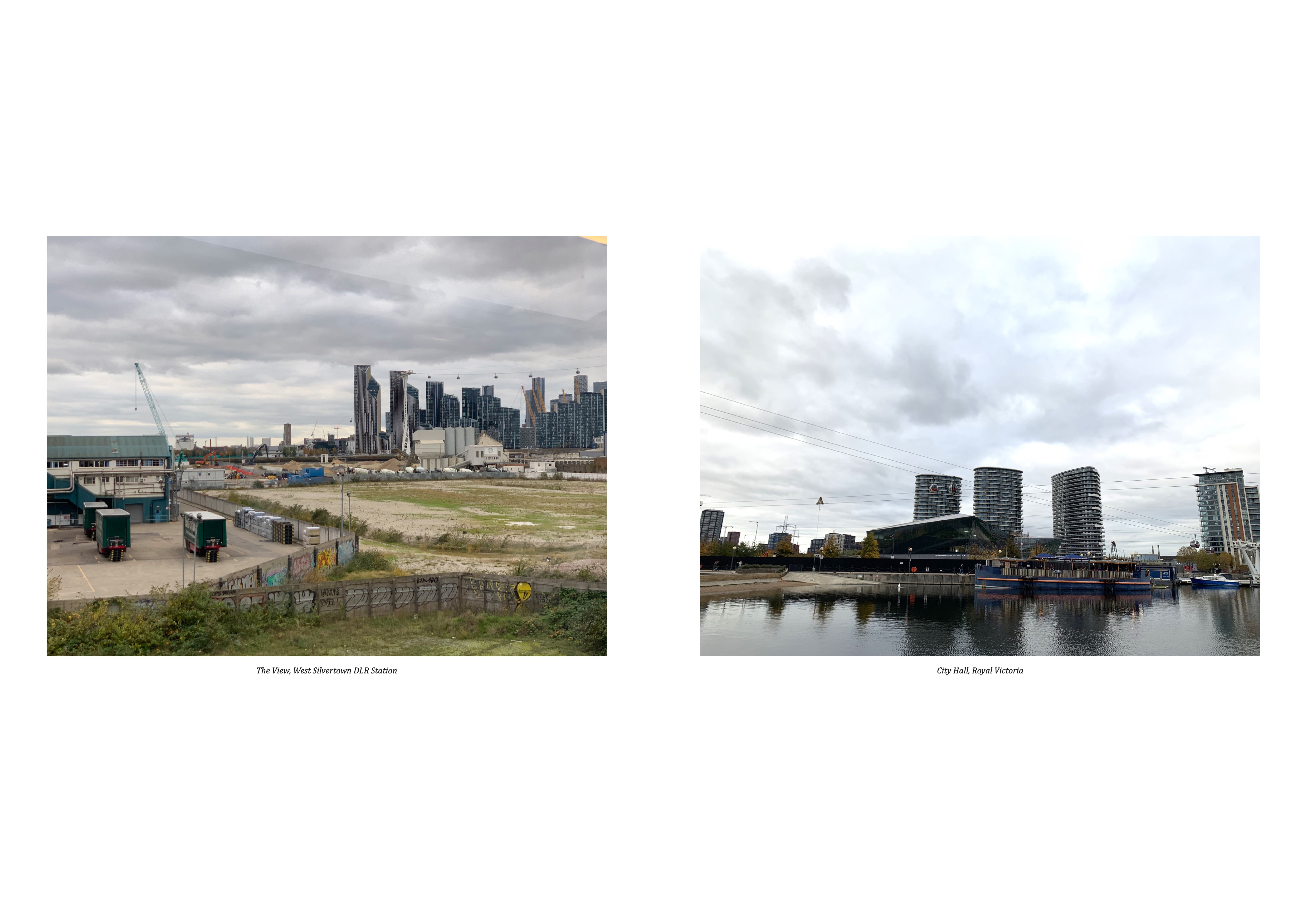
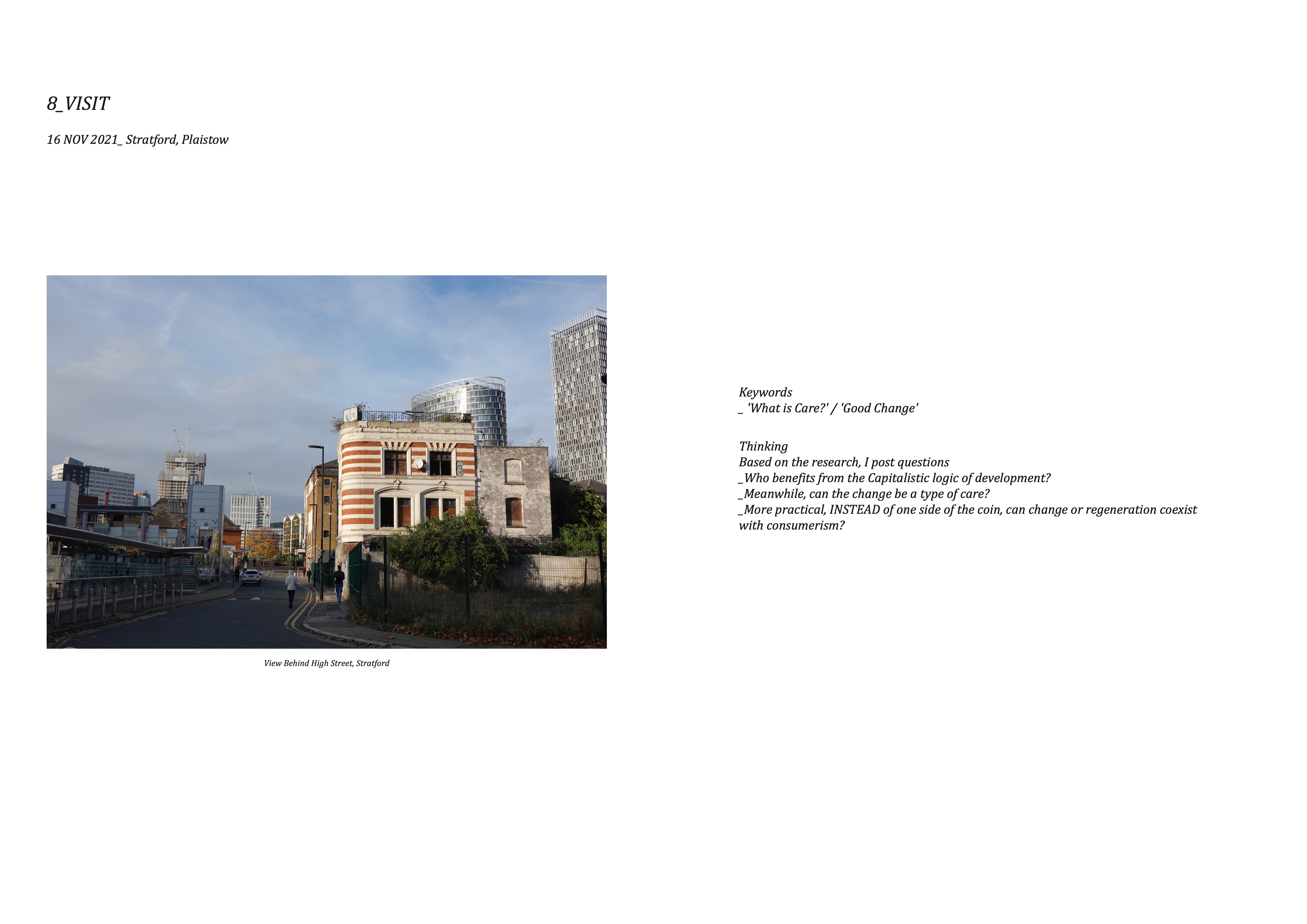
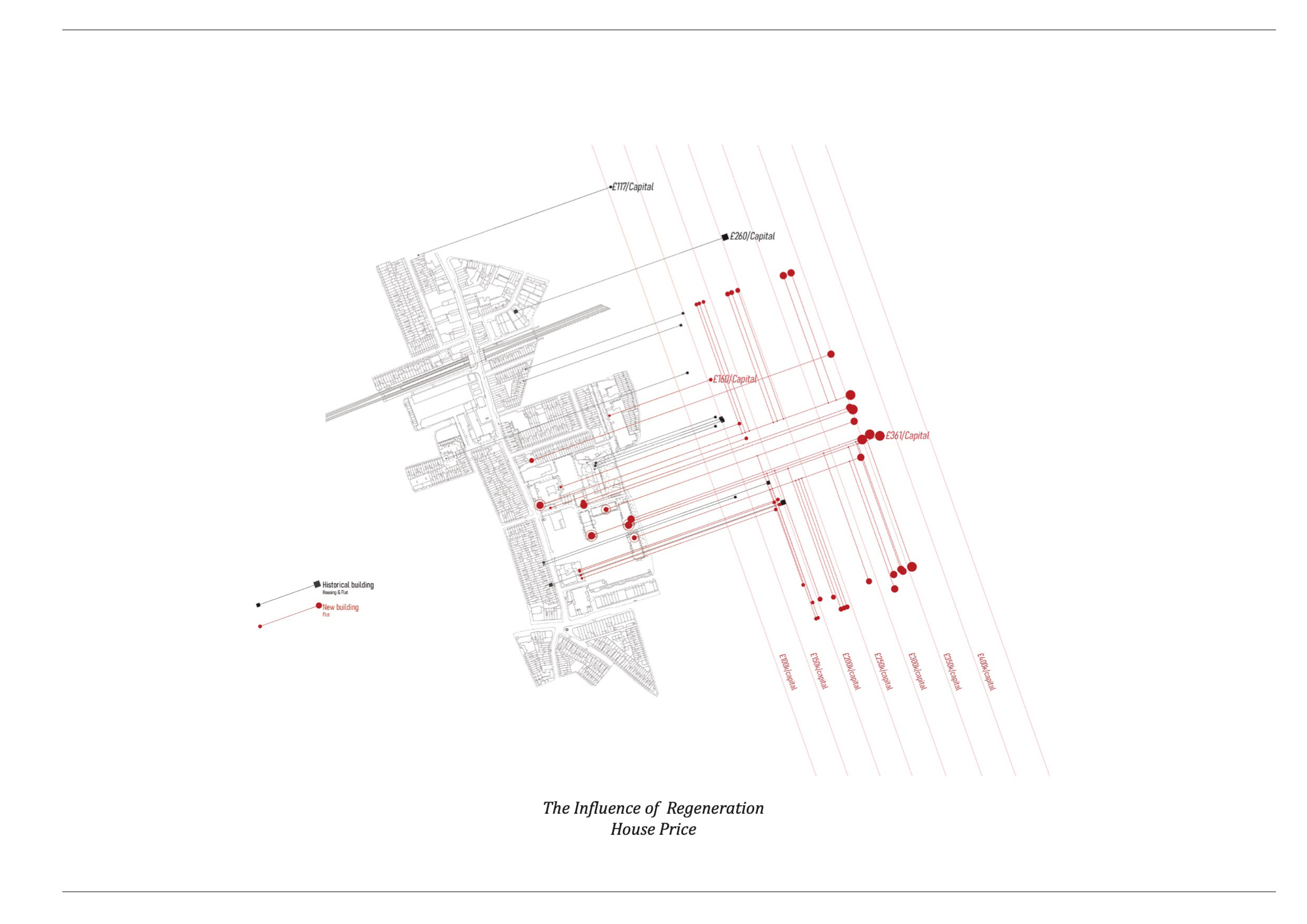
Tracing back to history, the composition of research across politics, socioeconomics and urban theories shows a deeper connection between the Capitalistic logic of development and local people’s lives.
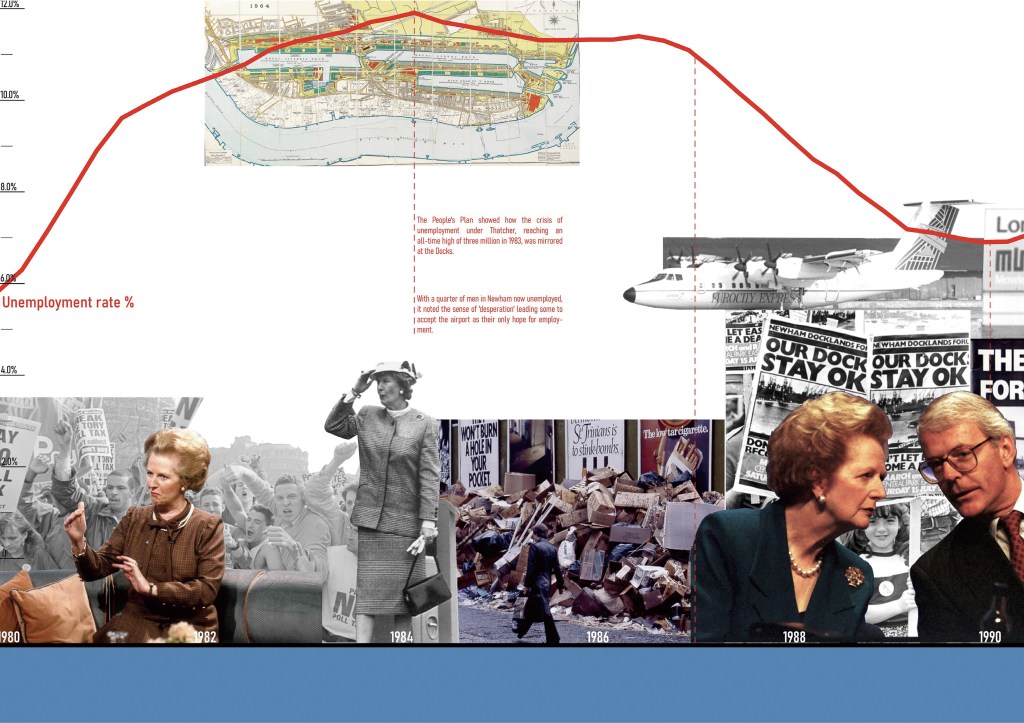
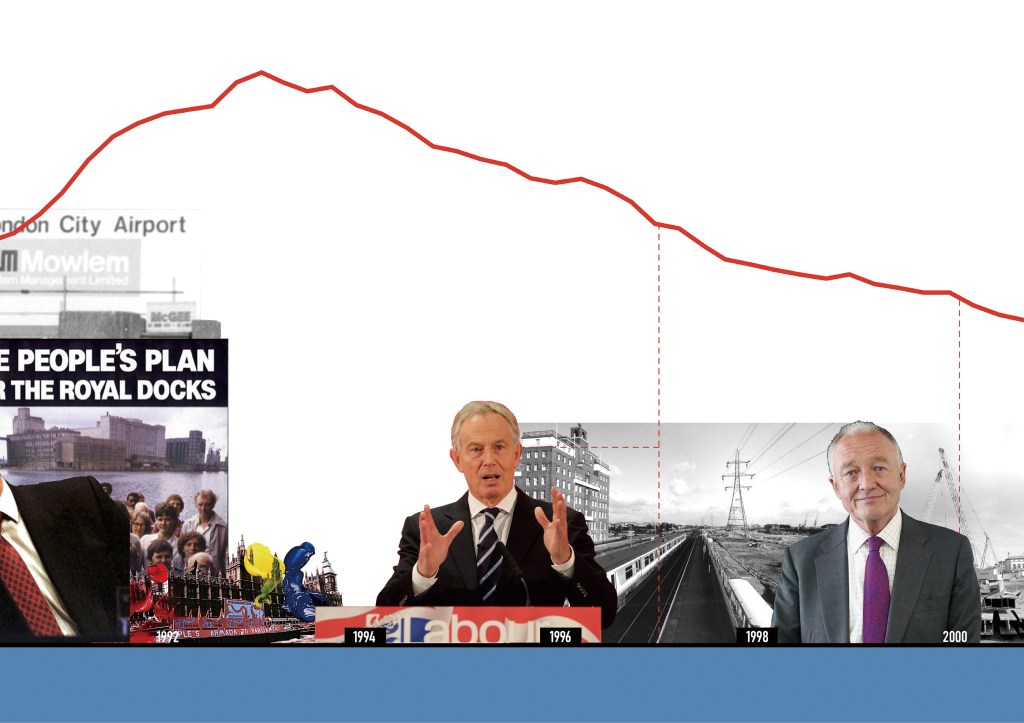
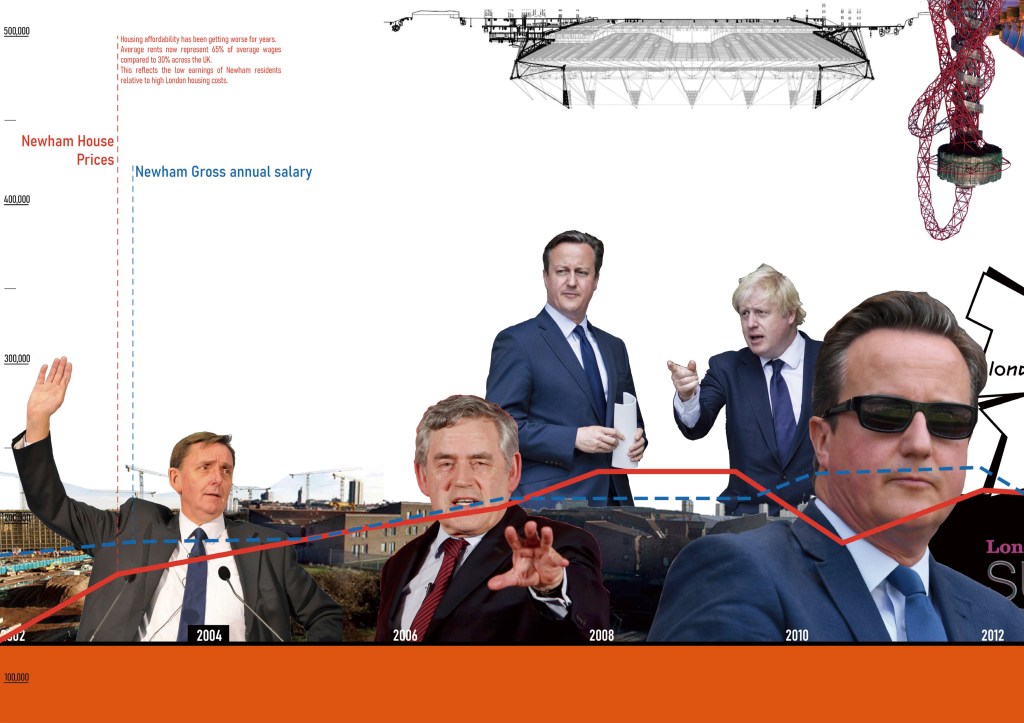
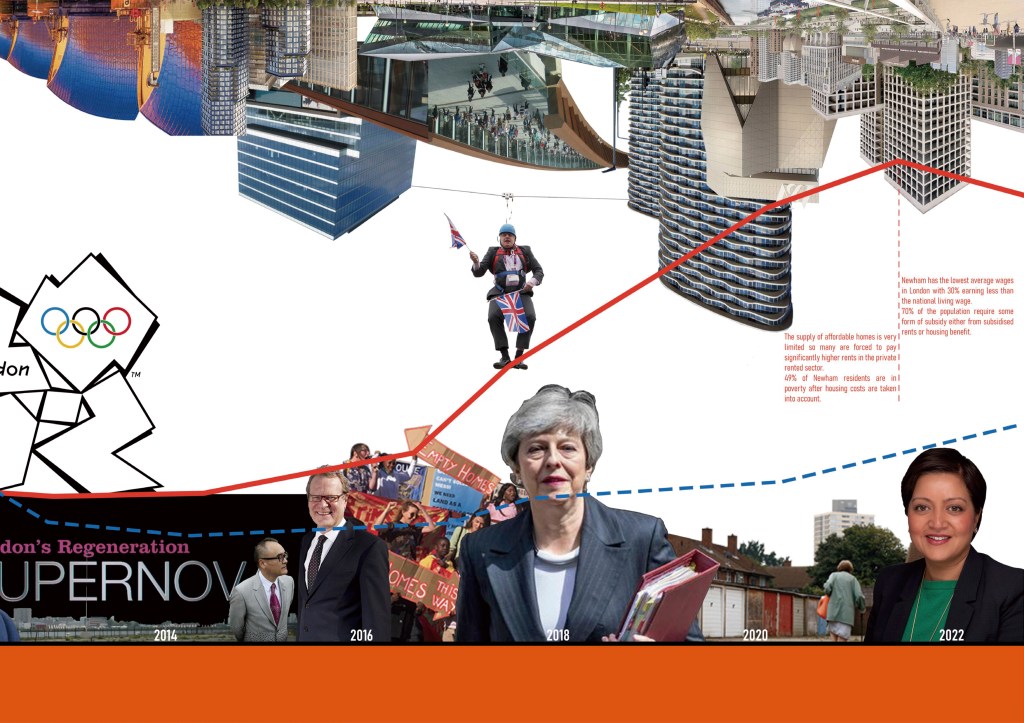
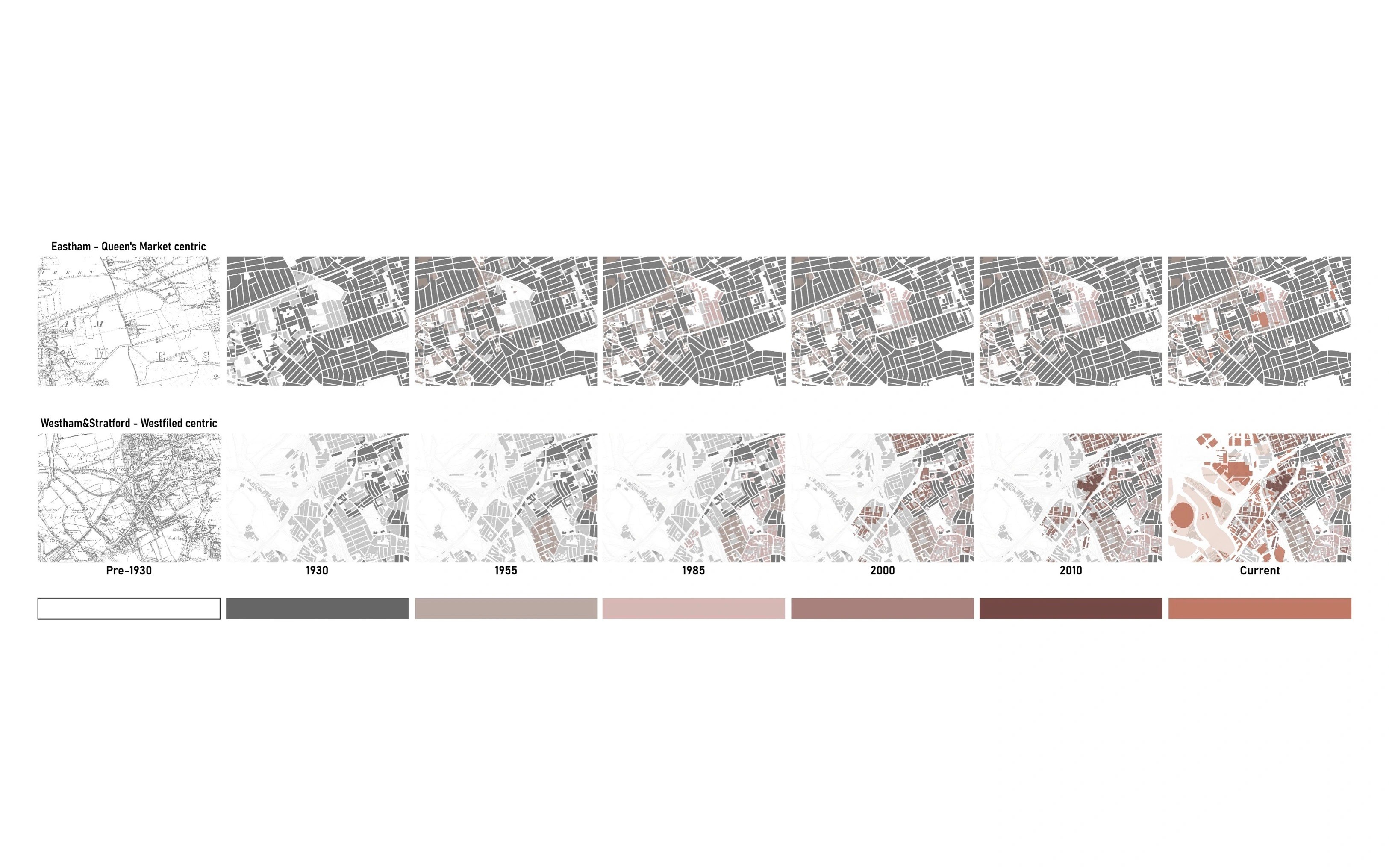
The datascape model explained the tight link between regeneration and migration.


Under capitalism, economic interests are the primary consideration in decision-making. Still, in the long-term consideration, the well-being of the future generation can hardly be capitalised or financialised in the cost-benefit analysis.
This research led me to question how can a historical local block survive under consumerism? How does regeneration satisfy real-world commercial requirements, benefit the local people, and simultaneously respect local culture?
#2 What could be?
_ Design diary
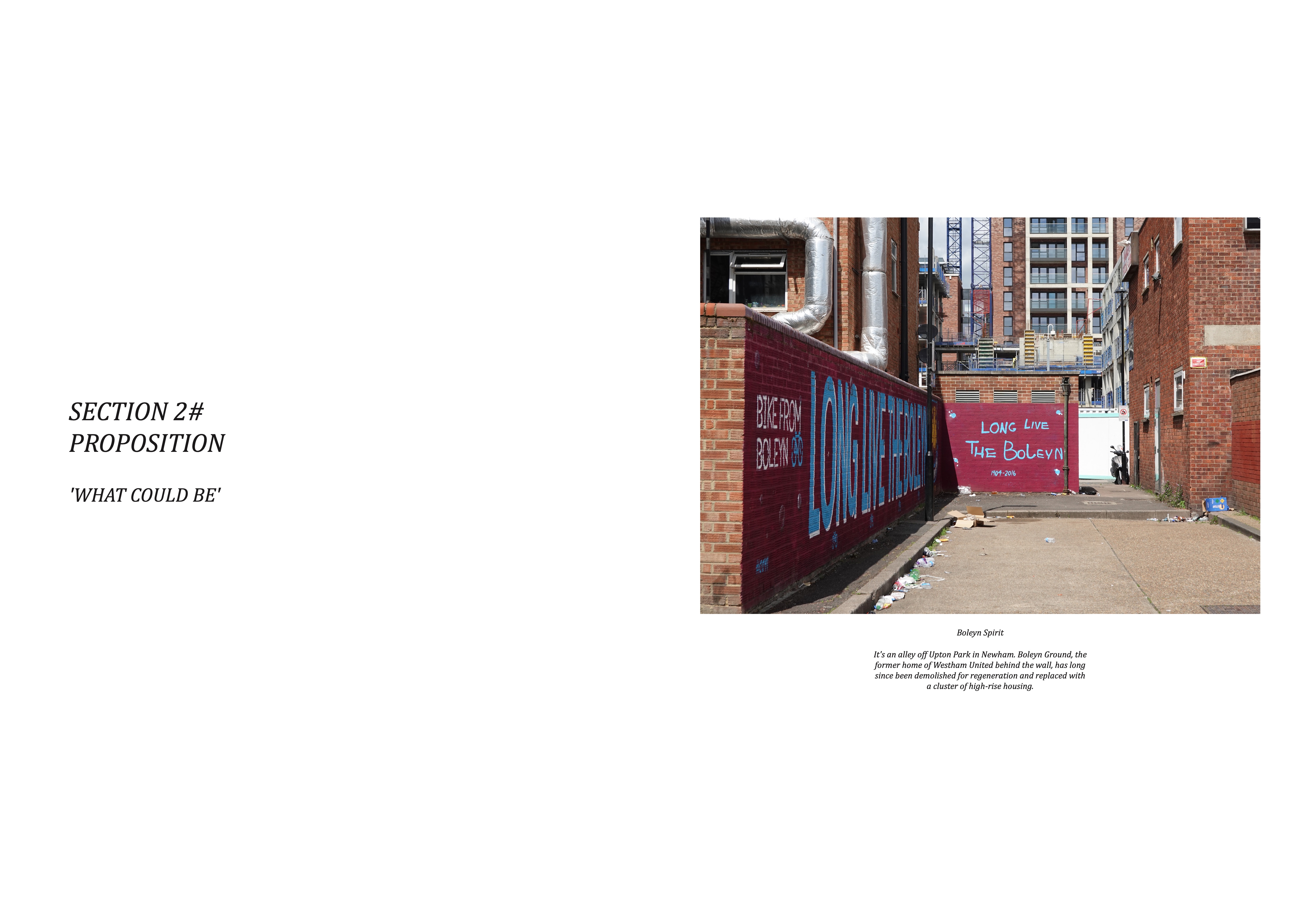
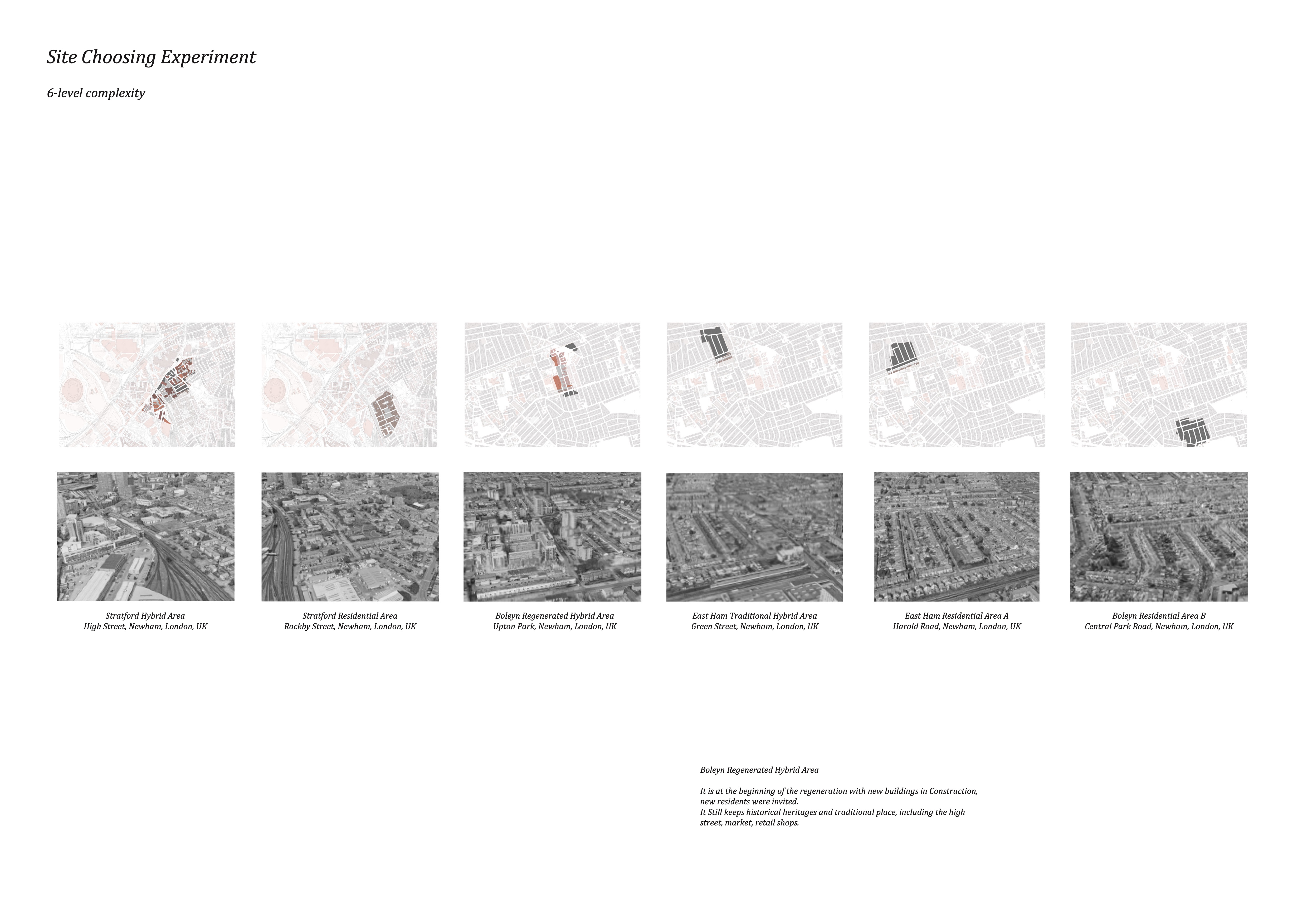
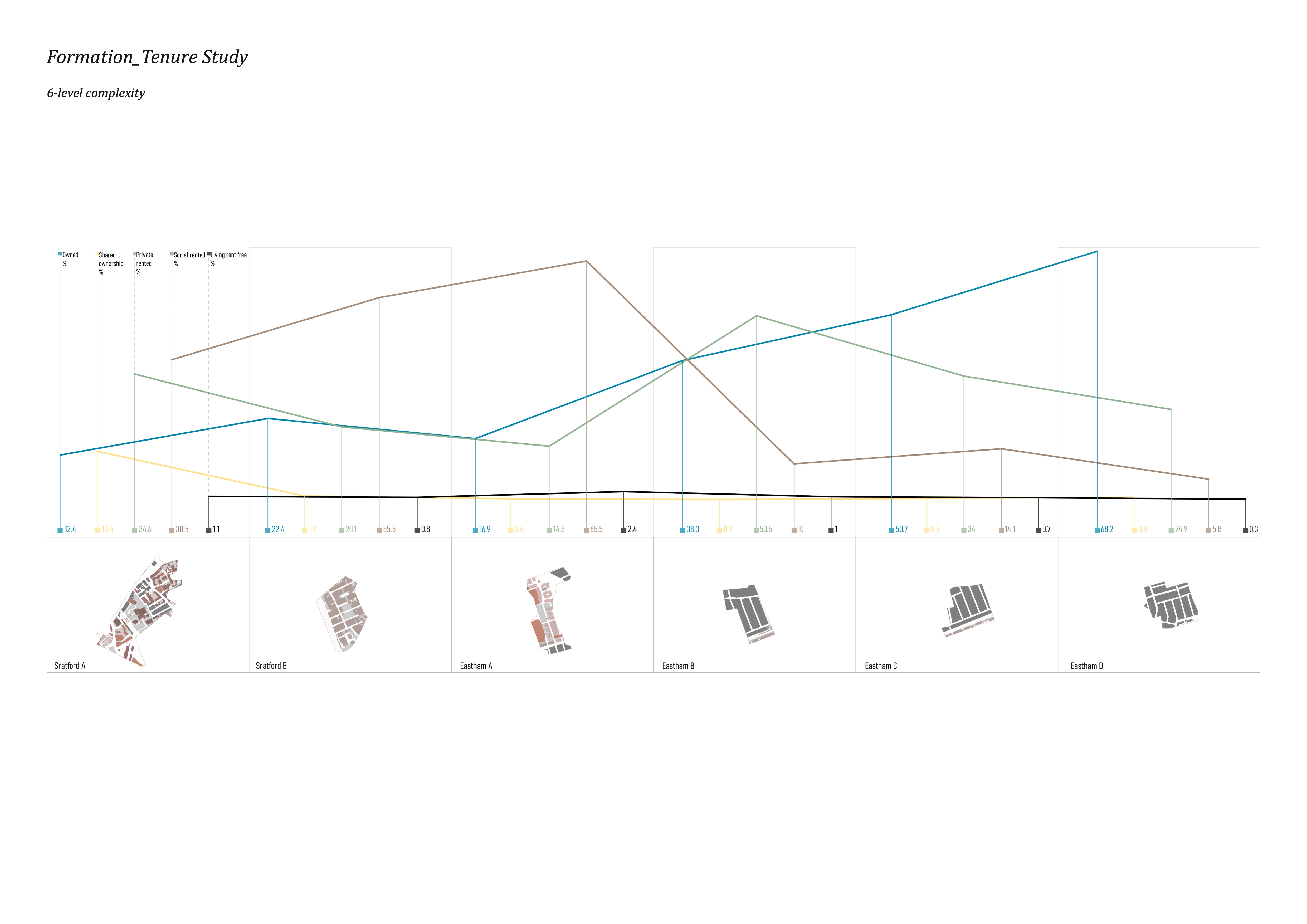
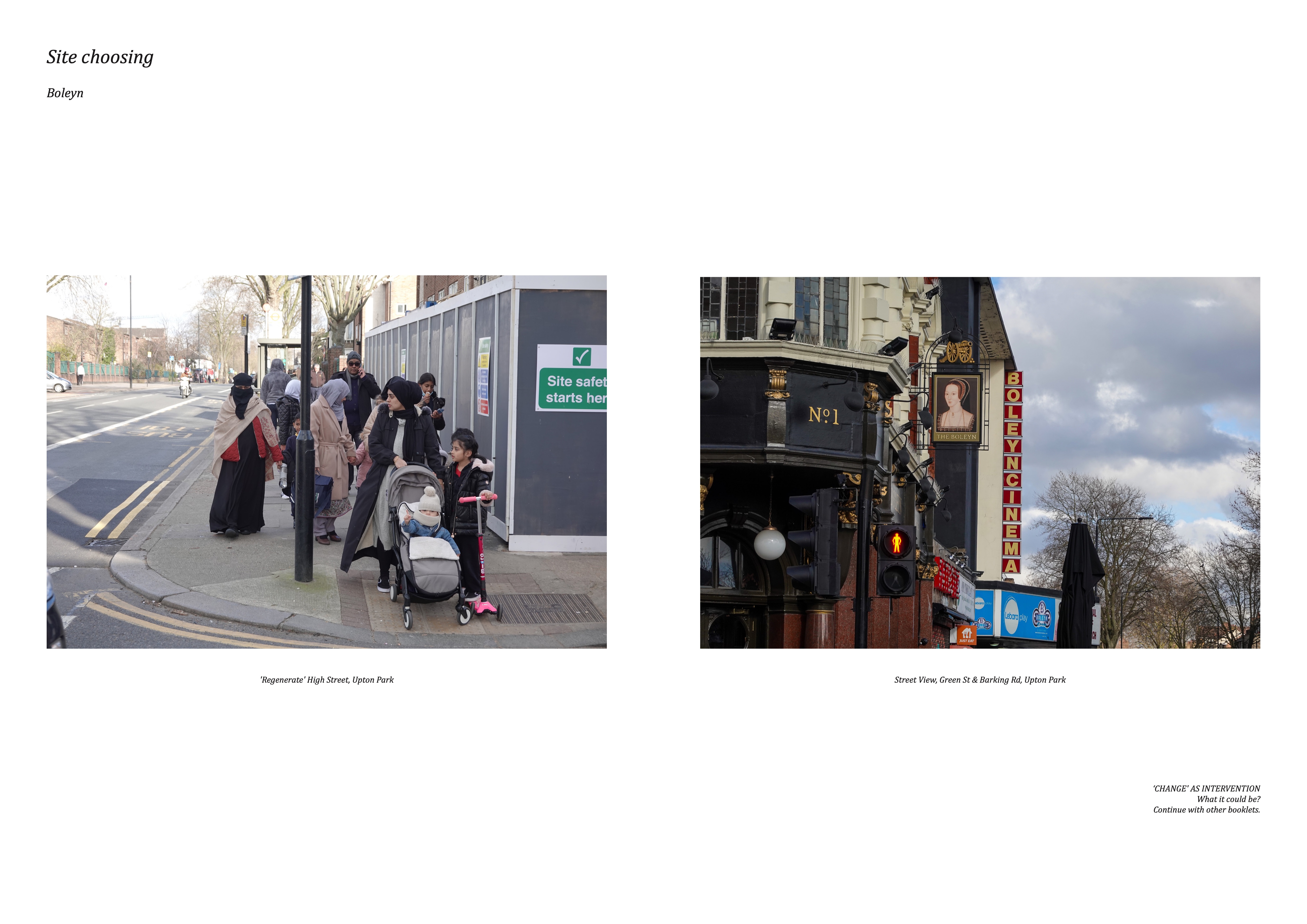
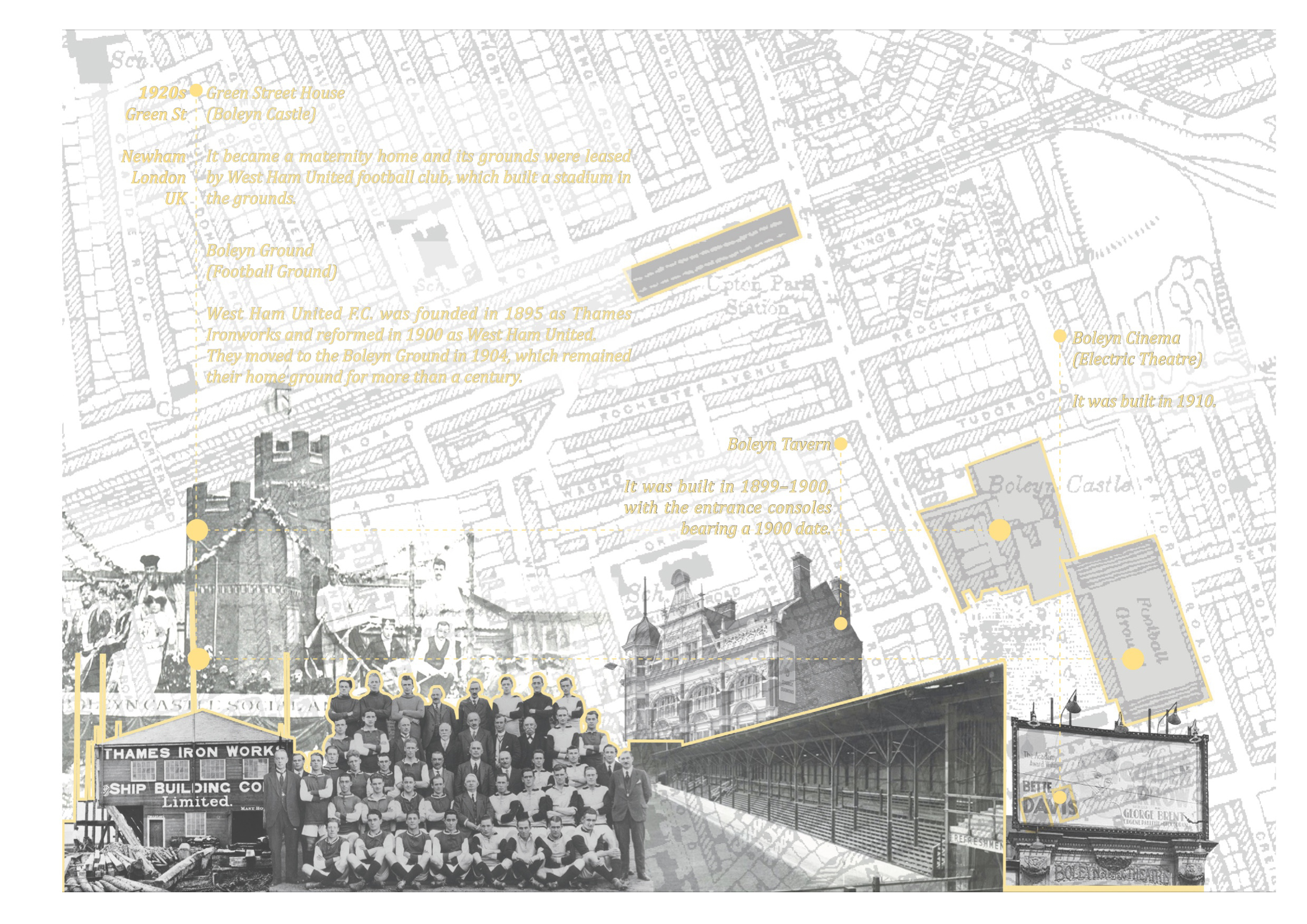
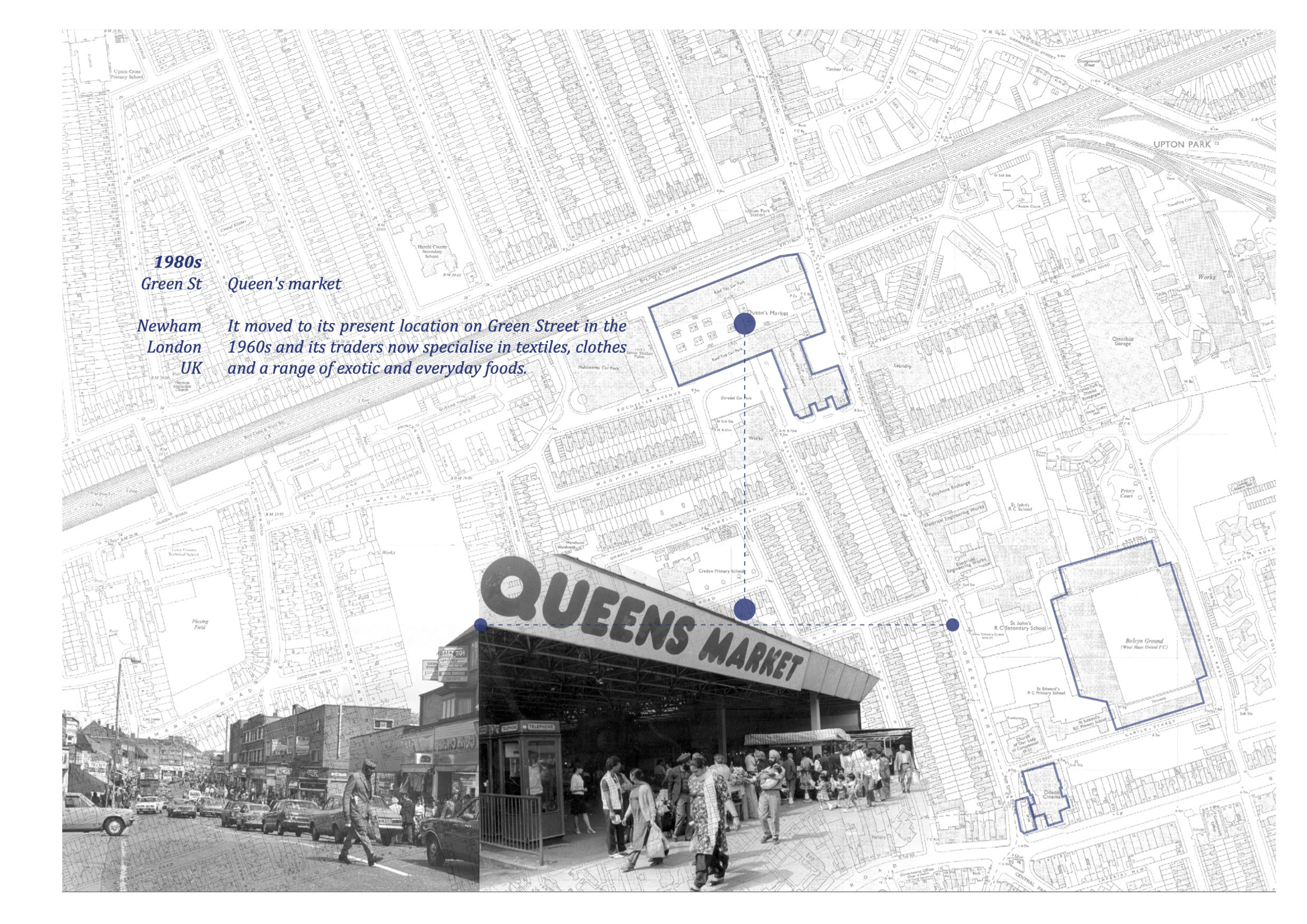
_ Response to local history / Reserve the high street culture
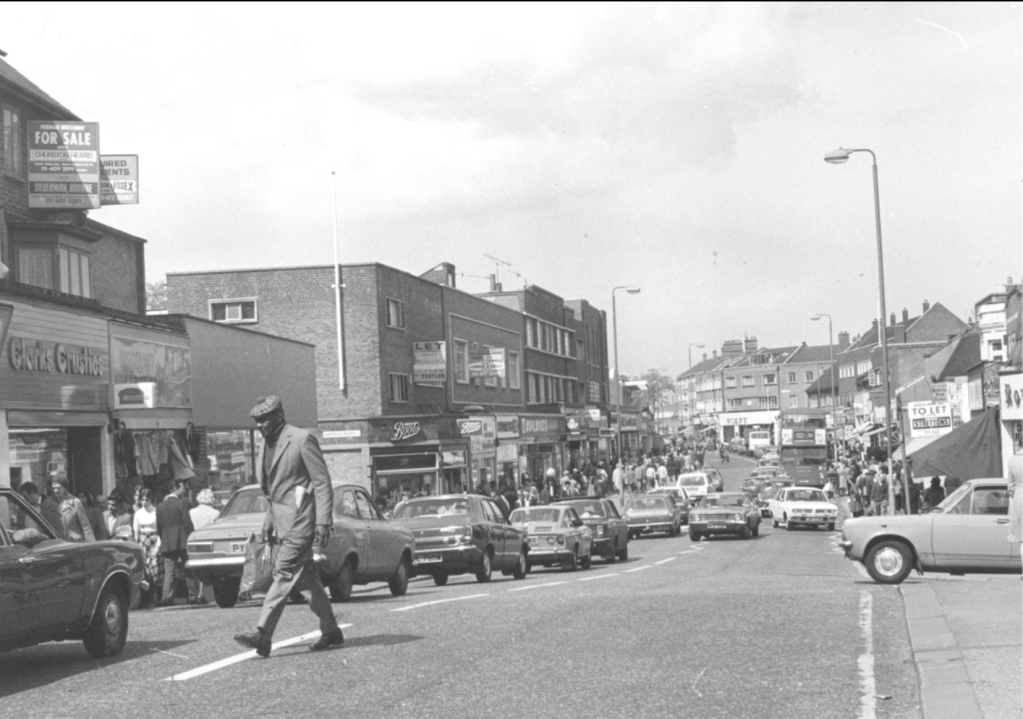
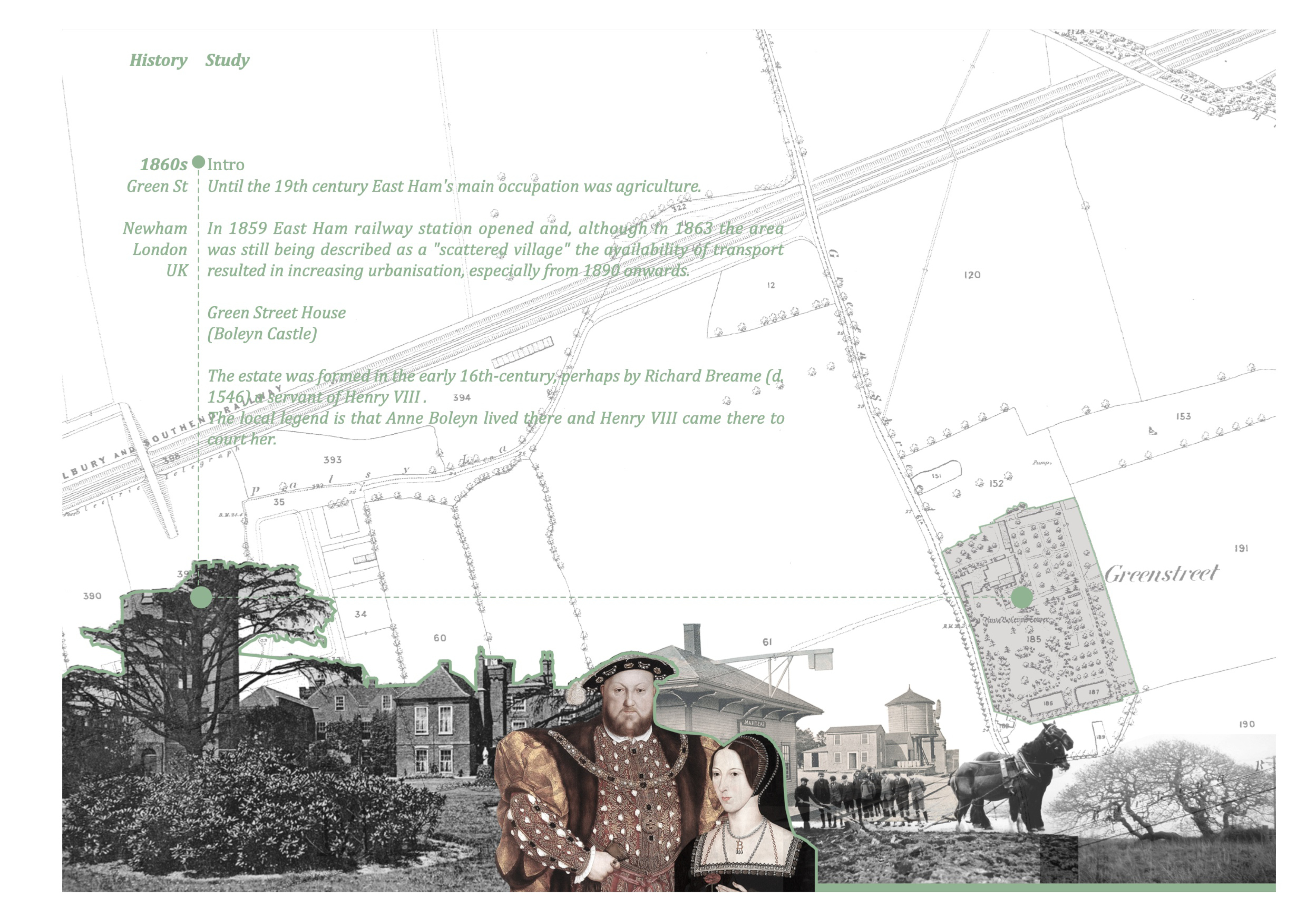
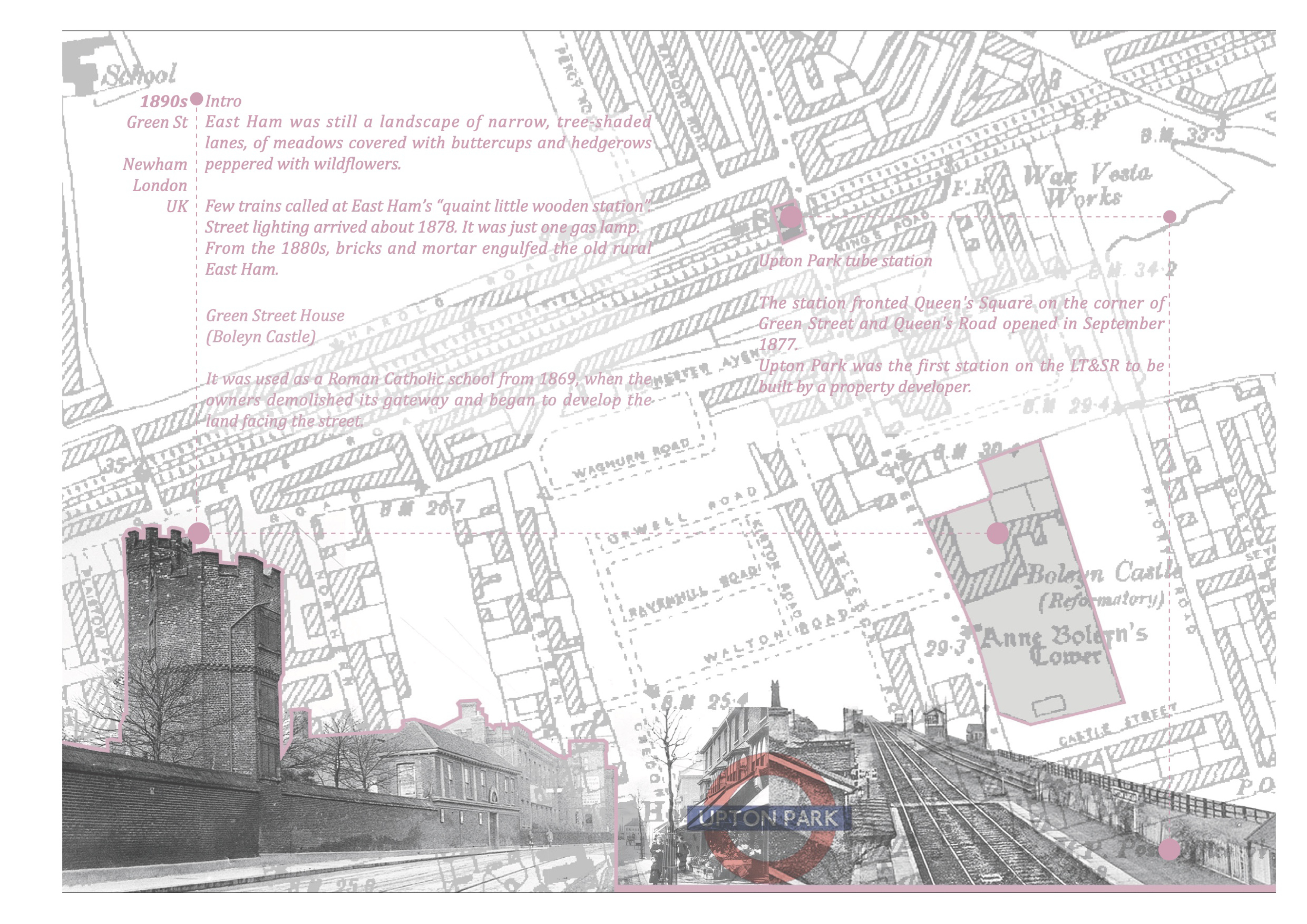


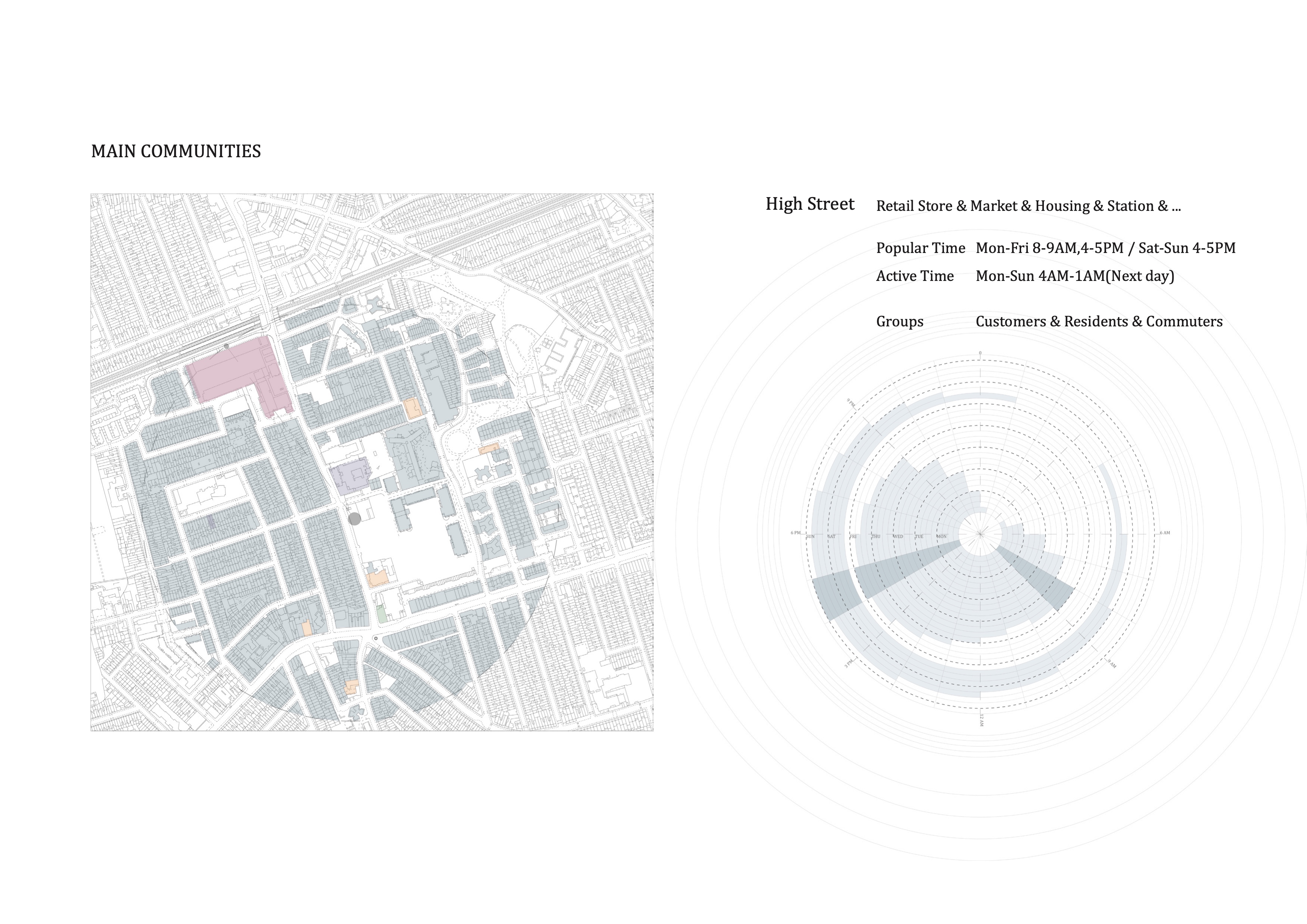
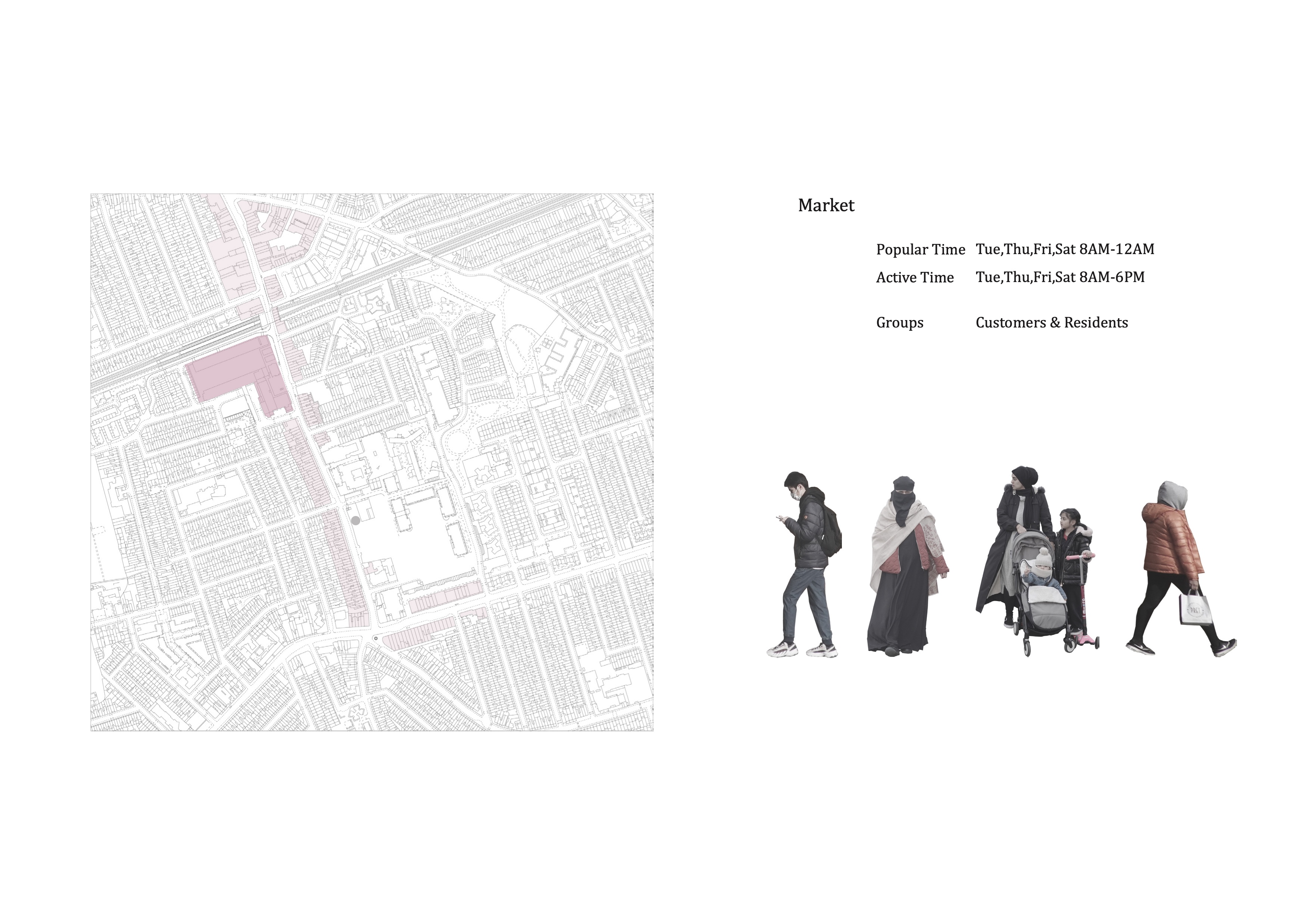
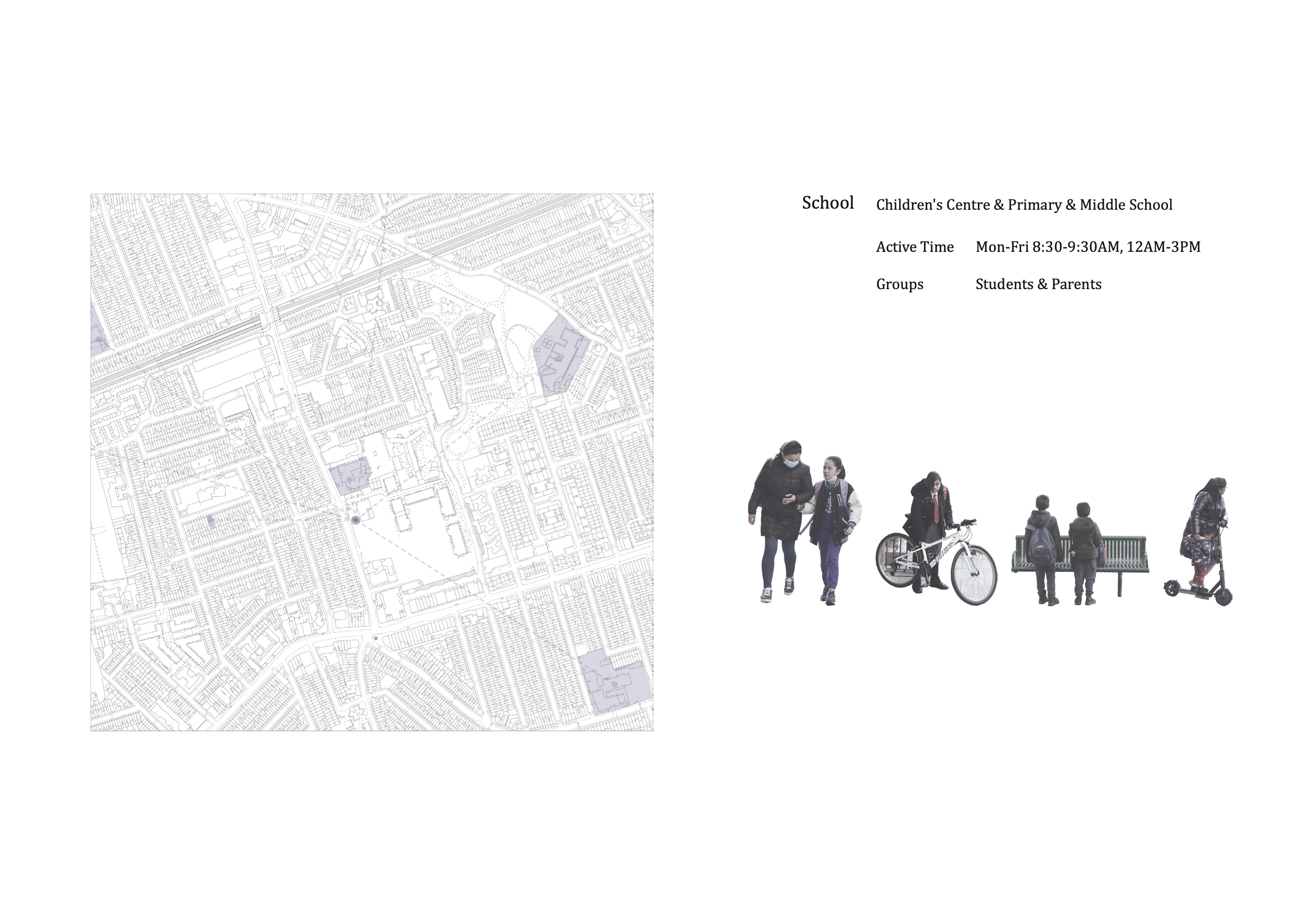
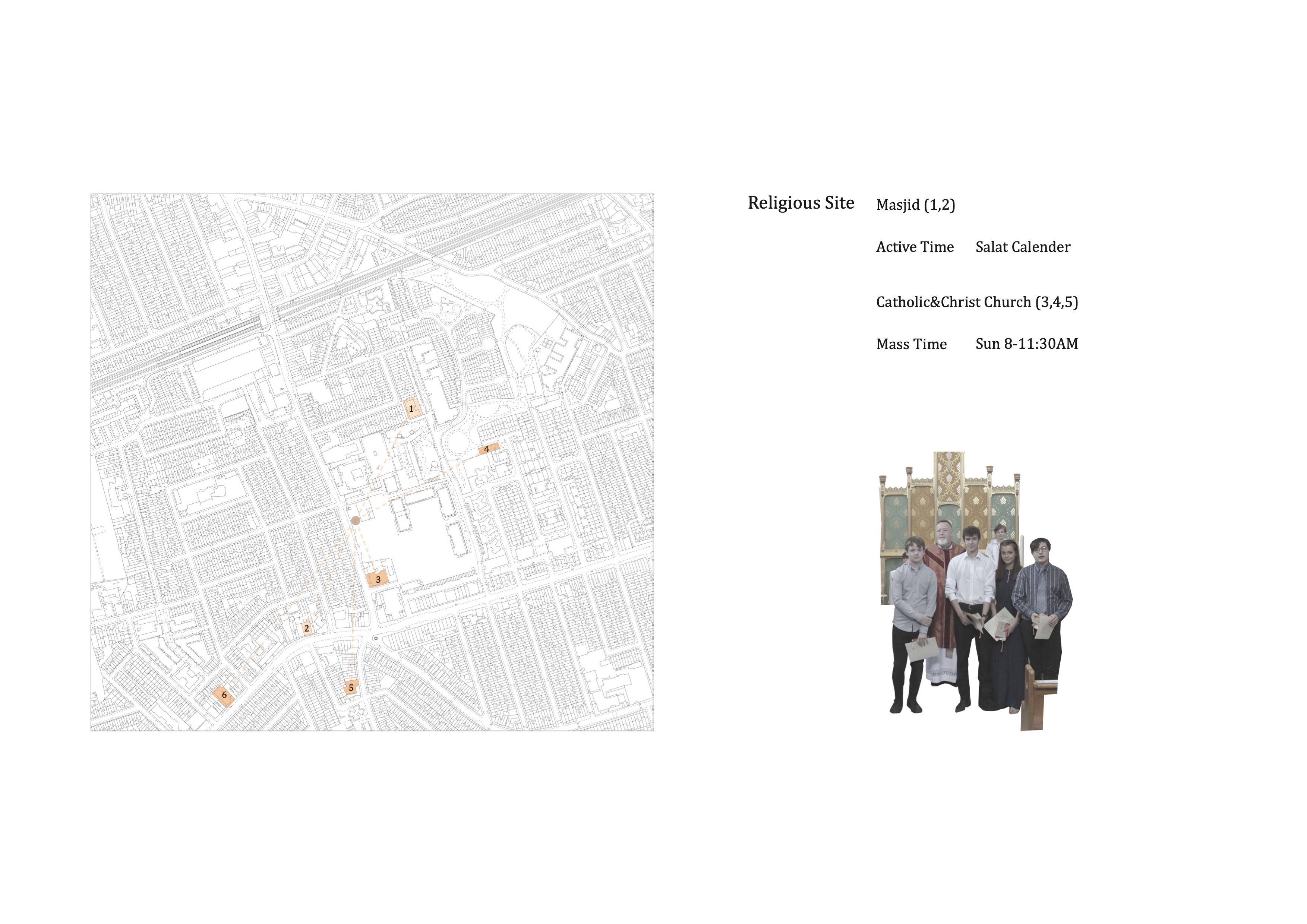
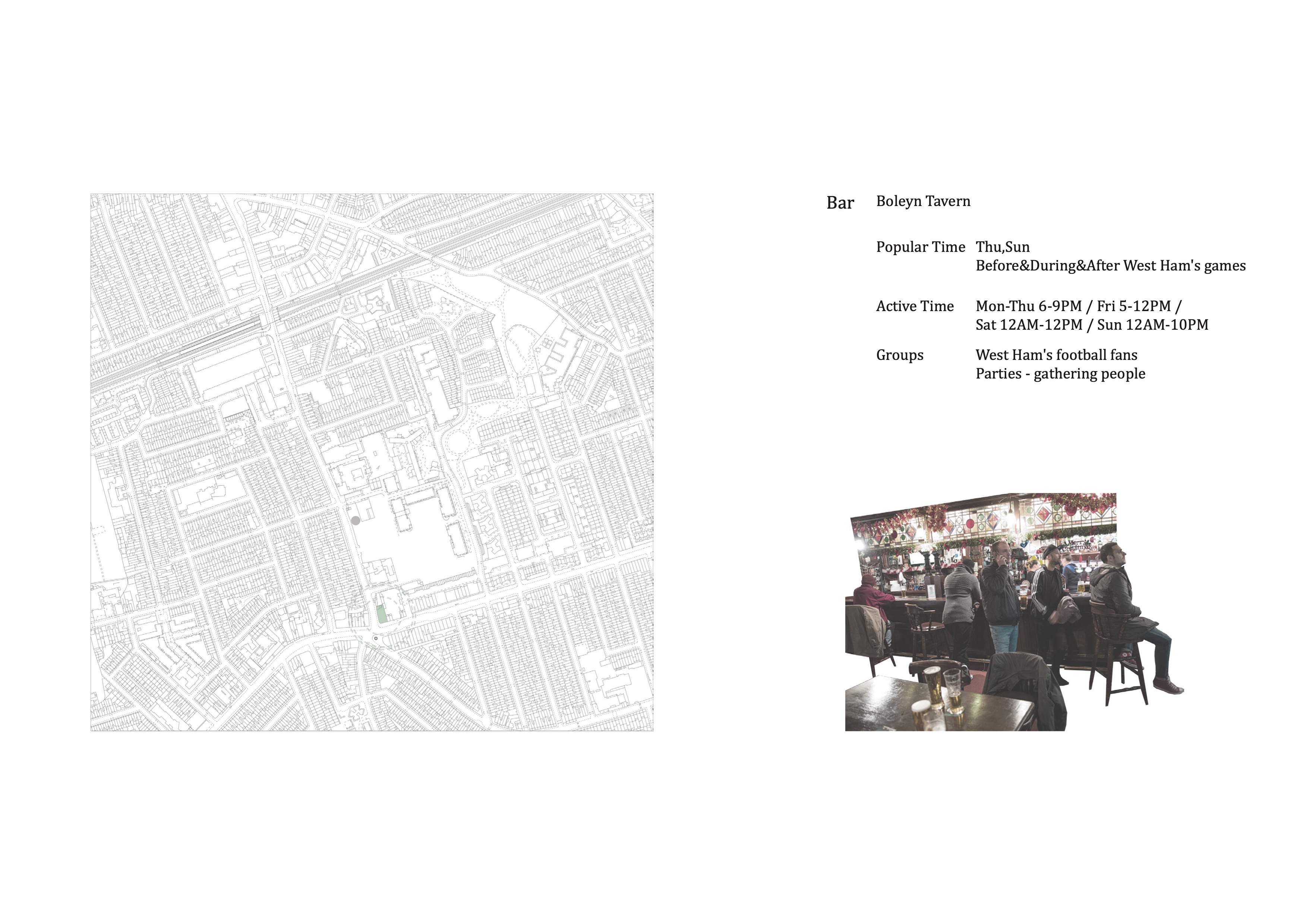
_ Serve multiple communities

_ Invite new residents but NOT expel locals
_ Case study: Detail design matters
#3 Responce
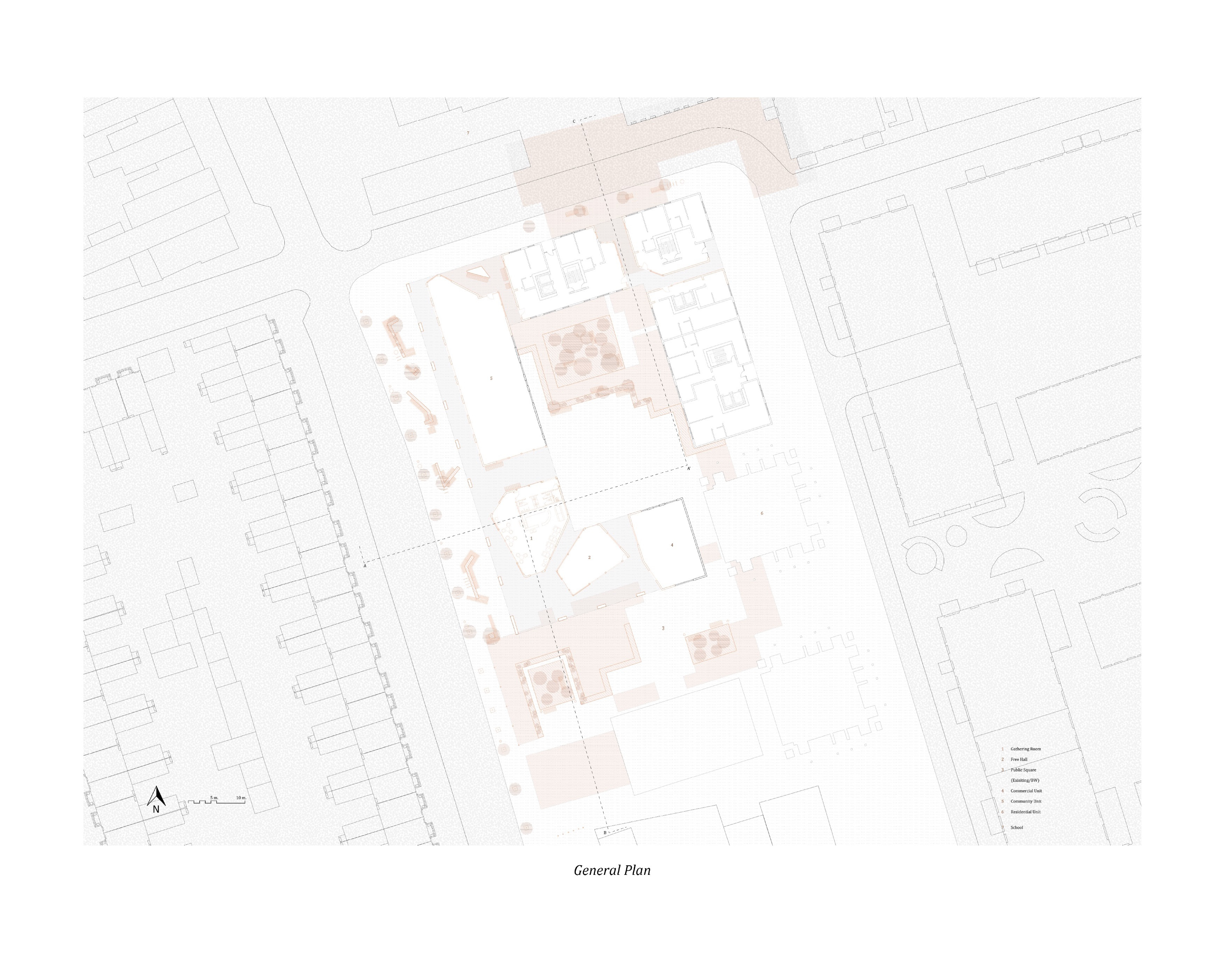
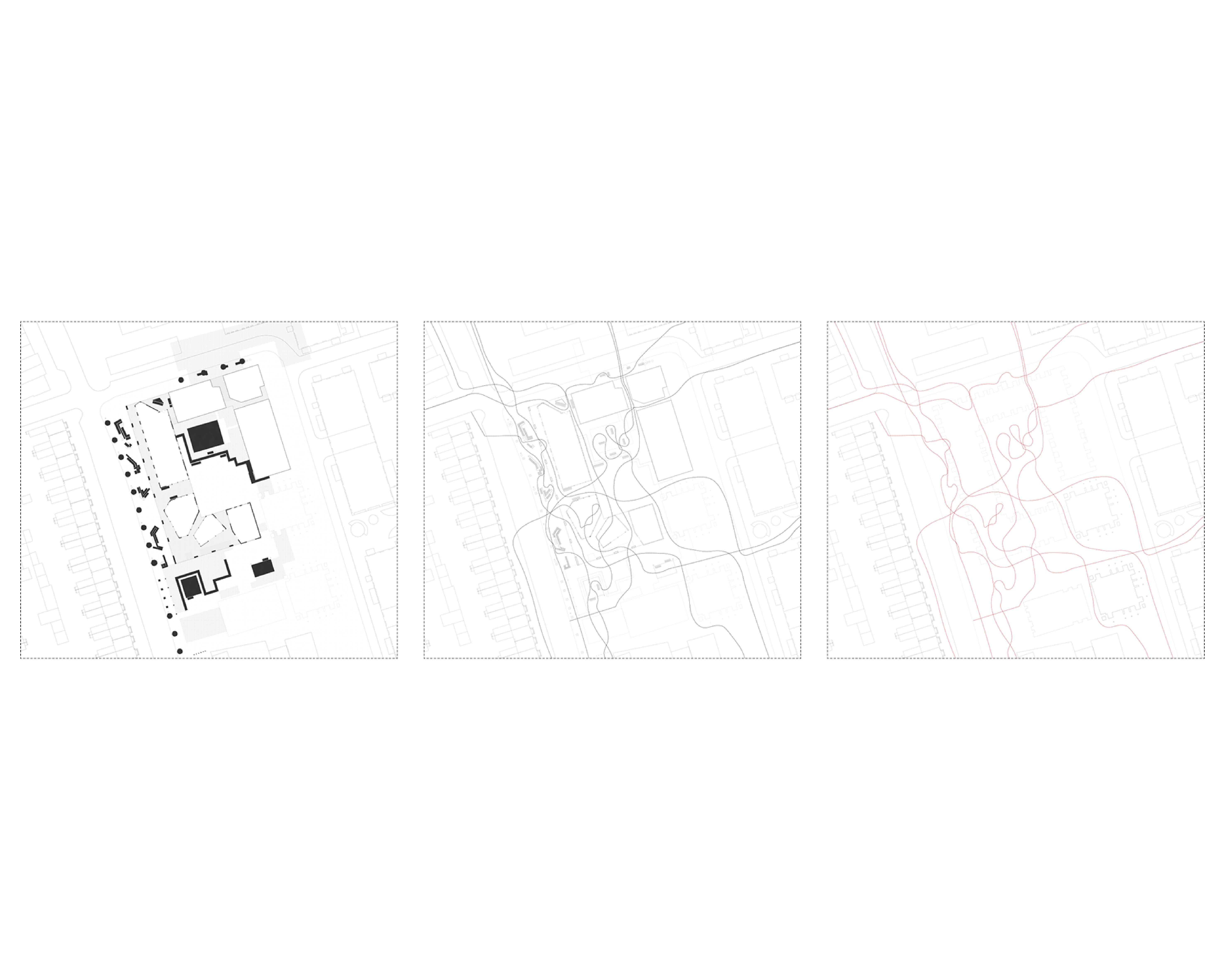
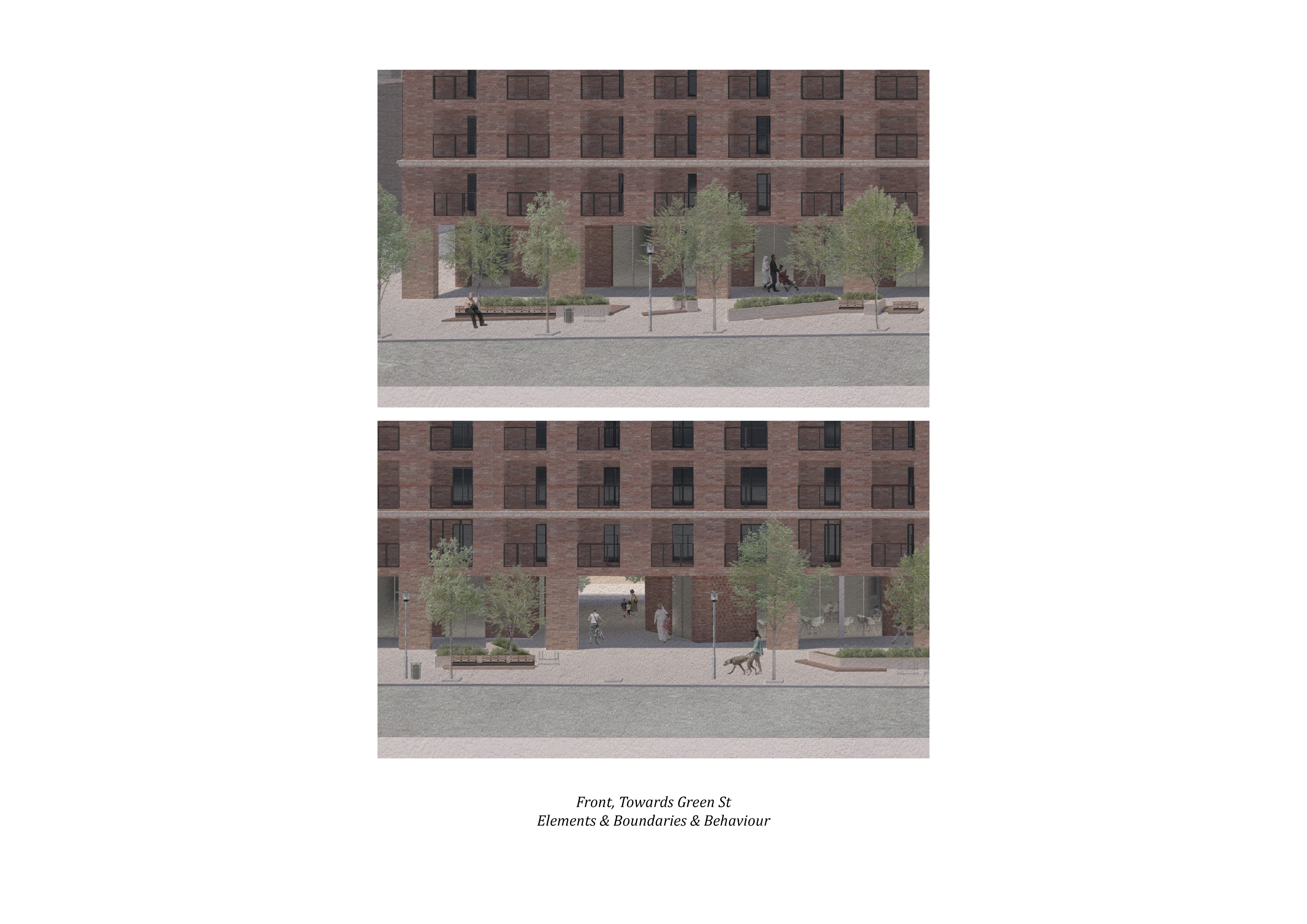
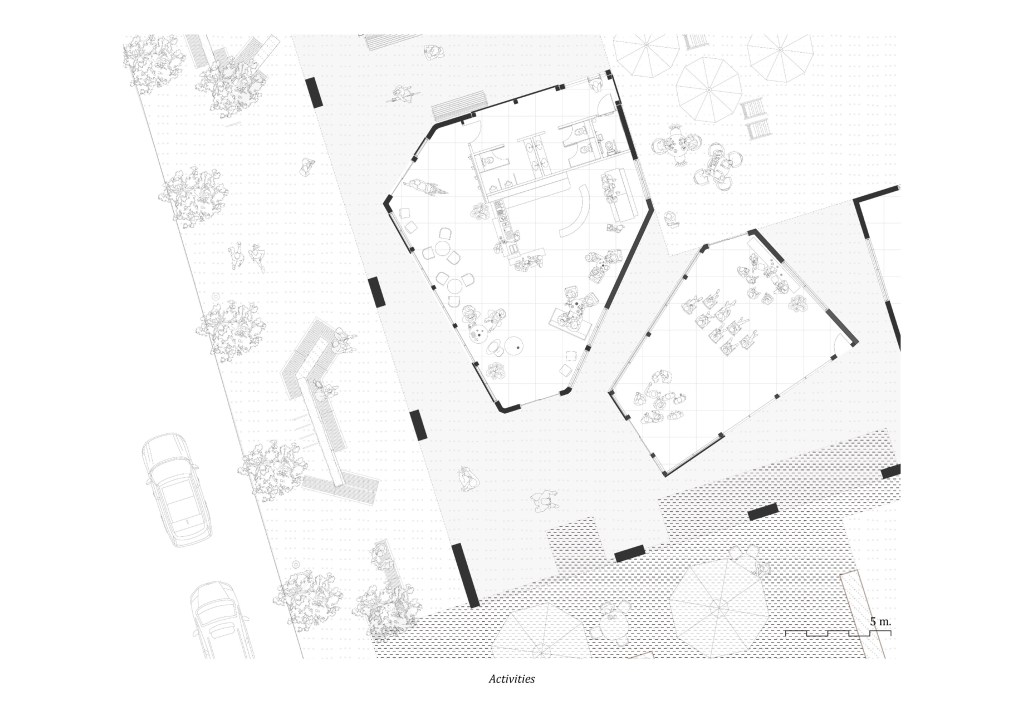
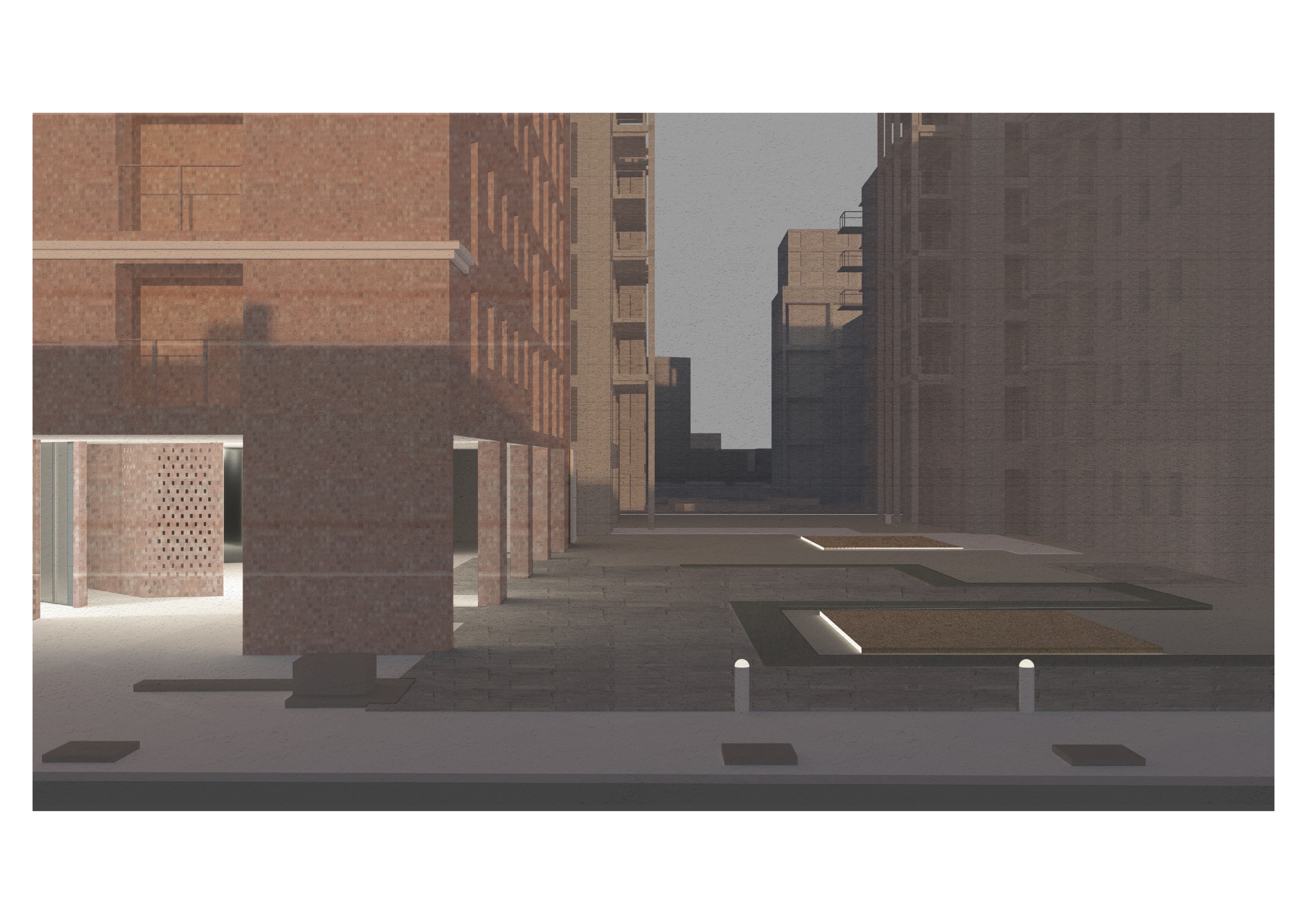
The project lands on the ground floor of a new residential building with high street frontage, featuring an open courtyard and redesigned public realms and routes.
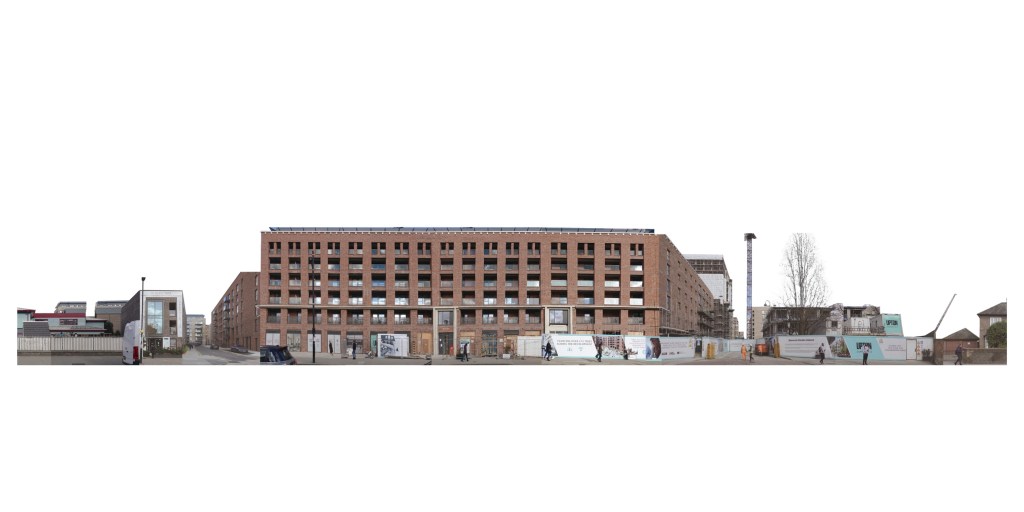
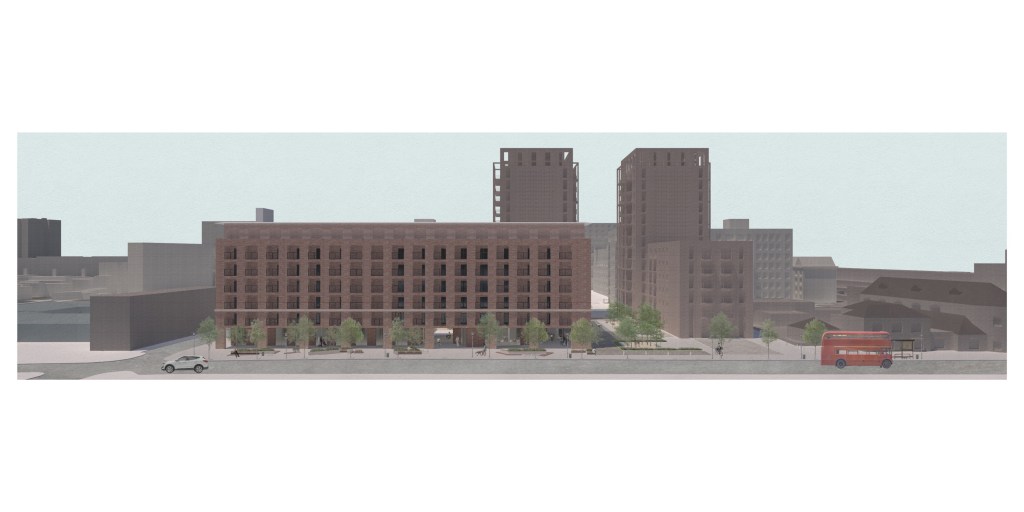
_ The closed facade to an engaging colonnade
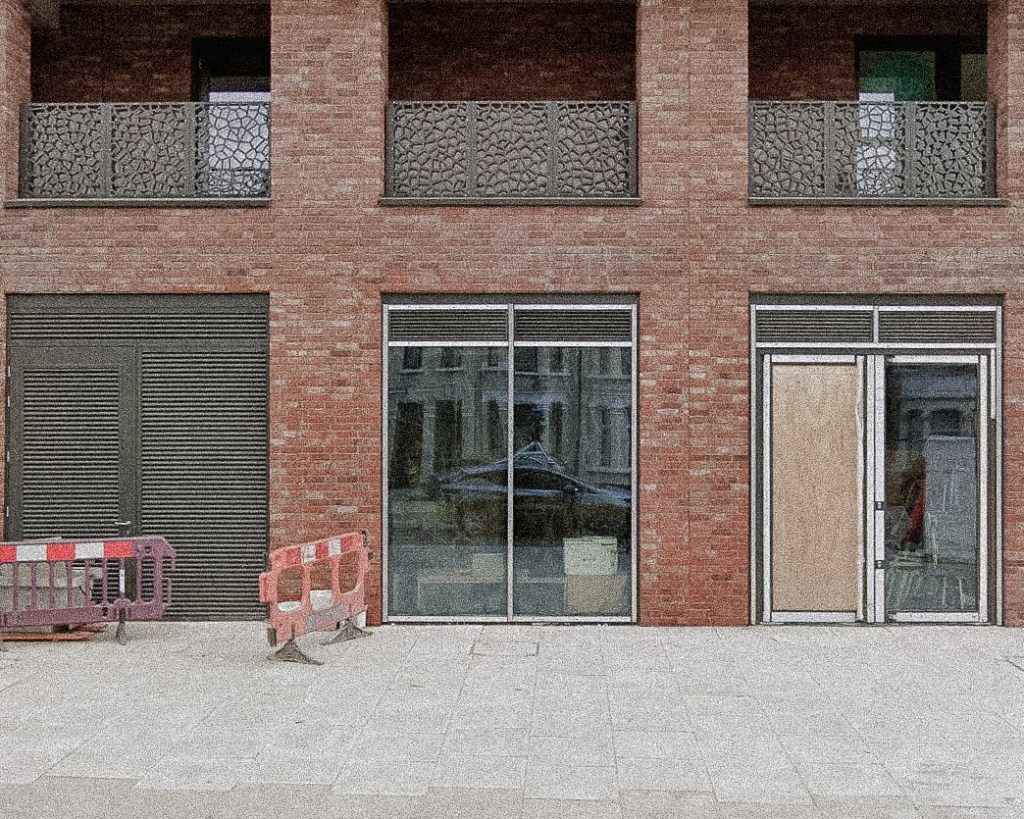
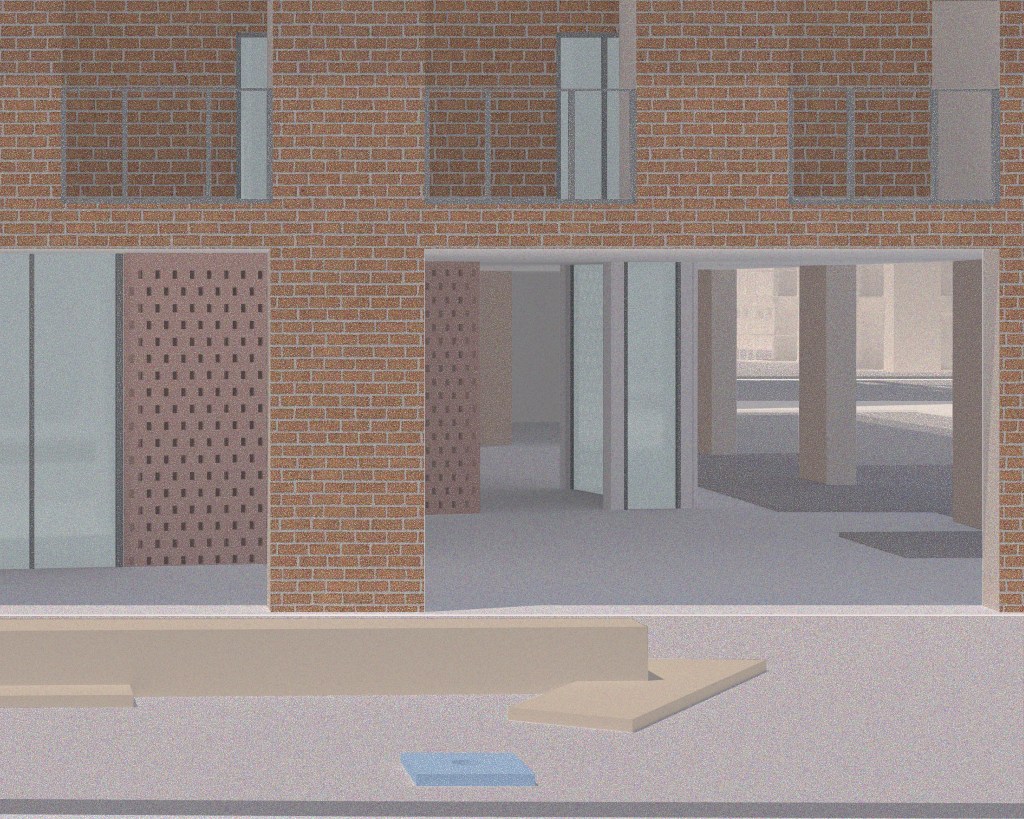
_ The shared use of space by several local communities
_ Tracing the history


 SHUHANG CAO